
Personalized Introduction
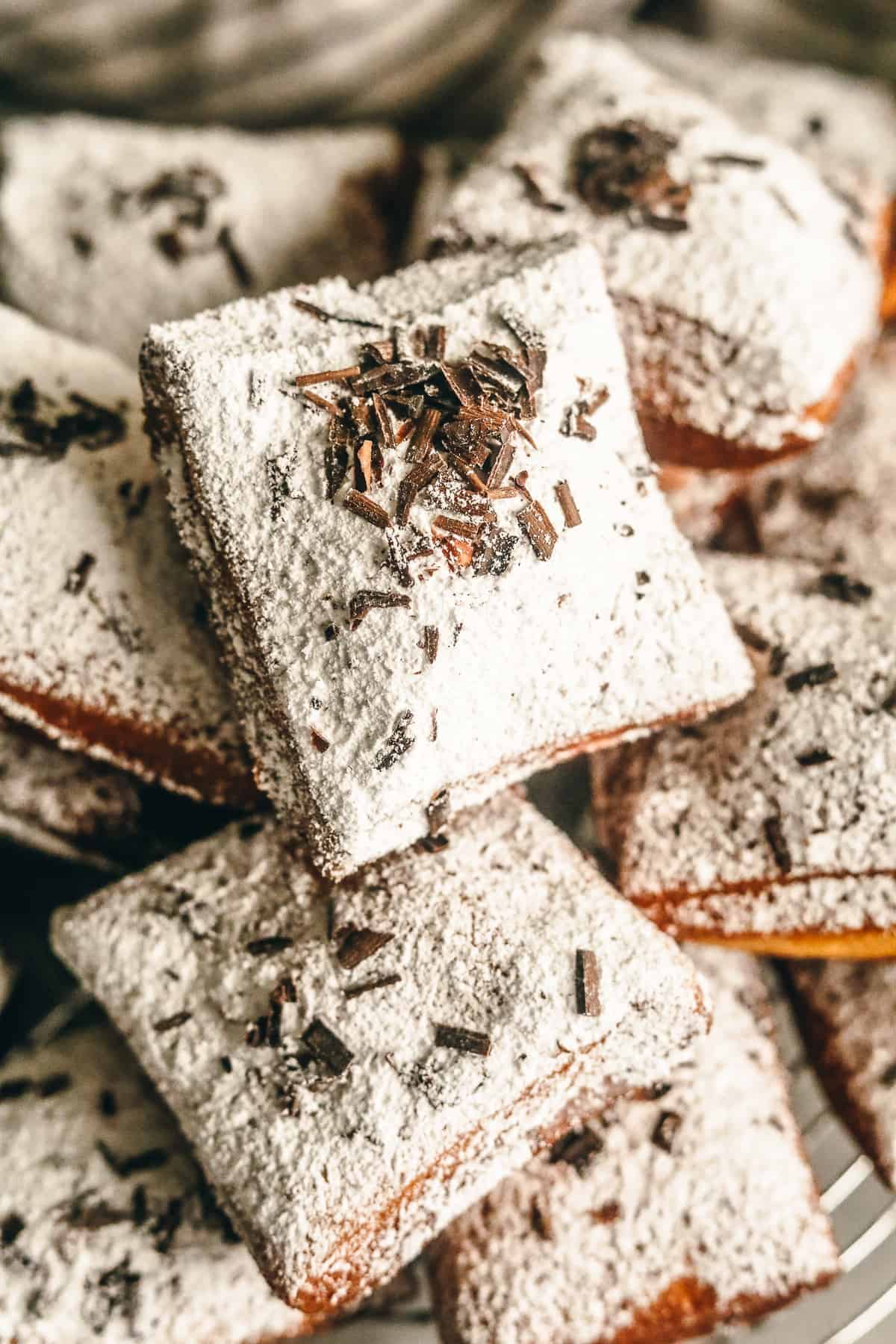
There are certain treats that feel almost magical the moment you bite into them—and for me, buttermilk beignets are exactly that. The first time I made them at home, I remember watching the dough puff up in the hot oil, turning golden and airy. I dusted them with powdered sugar, took a bite, and honestly… I had to pause for a second. They were light, fluffy, and just sweet enough to feel indulgent without being overwhelming.
Have you ever had a pastry that feels soft like a cloud on the inside but slightly crisp on the outside? That’s what makes these beignets so irresistible. They’re perfect for a cozy weekend breakfast, a holiday treat, or just a moment when you want something warm and comforting straight from your own kitchen.
Today, I’m sharing everything I’ve learned about making them perfectly light and fluffy—so you can enjoy that same magical first bite.
Recipe Origin & Story
Beignets have roots in French cuisine, but they became iconic in New Orleans, where they’re often served with a generous snowfall of powdered sugar and a cup of coffee. Traditionally made with yeast dough, beignets puff beautifully when fried, creating airy pockets inside.
This buttermilk version adds a slight tang and tenderness that I absolutely love. The buttermilk softens the dough and enhances the flavor, giving these beignets a balanced sweetness. Over time, this version became my favorite because it feels slightly richer but still delicate and light.
Every time I make them, it feels like bringing a little café experience right into my kitchen.
Ingredient Spotlight
- Main Star:
Buttermilk. It adds a subtle tang and helps create a tender crumb. Its acidity reacts with baking powder or yeast to give extra lift. - Secret Boost:
A touch of vanilla extract. It enhances the sweetness and makes the beignets smell absolutely heavenly. - Quality Tips:
Use fresh flour and make sure your oil is at the right temperature (around 350°F / 175°C). If the oil is too cool, the beignets absorb oil. Too hot, and they brown too fast without cooking inside.
Nutritional Benefits
Beignets are definitely a treat rather than a health food—but that doesn’t mean they don’t have value. They provide carbohydrates for quick energy, and when made fresh at home, you control the ingredients and oil quality.
Buttermilk also contains beneficial probiotics (if using cultured buttermilk), and making them from scratch means fewer preservatives compared to store-bought pastries.
Adaptable Variations
- Dietary Swaps:
– Use dairy-free milk mixed with lemon juice instead of buttermilk.
– Try gluten-free flour blends for a gluten-free version. - Flavor Twists:
Add cinnamon to the dough, fill with chocolate or jam, or drizzle with honey instead of powdered sugar. - Seasonal Spins:
In fall, add pumpkin spice. During the holidays, a hint of nutmeg and orange zest gives festive warmth.
Cooking Science Explained
There’s real magic behind these fluffy squares:
1. Proper oil temperature creates lift.
Hot oil instantly forms a crust, trapping steam inside and causing the dough to puff.
2. Buttermilk tenderizes the dough.
Its acidity breaks down gluten strands slightly, keeping the inside soft.
3. Don’t overcrowd the pan.
Too many beignets at once lowers oil temperature, leading to heavy results.
Easy, Step-by-Step Recipe
Ingredients
- 2 1/4 cups all-purpose flour
- 1/4 cup granulated sugar
- 1 teaspoon baking powder (or 1 packet yeast if using yeast method)
- 1/2 teaspoon salt
- 1 large egg
- 3/4 cup buttermilk
- 2 tablespoons melted butter
- 1 teaspoon vanilla extract
- Oil for frying
- Powdered sugar for dusting
Instructions
- Mix dry ingredients:
In a bowl, whisk flour, sugar, baking powder, and salt. - Combine wet ingredients:
In another bowl, whisk egg, buttermilk, melted butter, and vanilla. - Form the dough:
Gradually combine wet and dry ingredients until a soft dough forms. - Roll and cut:
Roll dough on a floured surface to about 1/4-inch thickness. Cut into squares. - Heat oil:
Heat oil to 350°F (175°C) in a deep pot. - Fry:
Fry beignets in batches for 1–2 minutes per side until golden brown. - Drain and dust:
Remove with a slotted spoon, drain on paper towels, and generously dust with powdered sugar. - Serve warm:
Enjoy immediately for the fluffiest texture.
Practical & Valuable Tips
- Storage:
Best eaten fresh, but can be stored in an airtight container for 1 day and reheated briefly. - Serving Ideas:
Pair with coffee, hot chocolate, or espresso. Add fresh berries or chocolate dipping sauce. - Substitutions:
No buttermilk? Use milk plus 1 tablespoon lemon juice.
Make-Ahead & Batch-Cooking
You can prepare the dough in advance and refrigerate for a few hours before frying. This makes weekend brunch easier and stress-free. Fry just before serving for best texture.
Eco-Friendly Kitchen Hacks
- Strain and reuse frying oil for future frying (if clean).
- Use cloth towels instead of paper towels when possible.
- Compost excess flour scraps.
Pairing Suggestions
- Beverages:
Strong coffee, café au lait, or spiced chai. - Sides & Sauces:
Chocolate sauce, caramel drizzle, berry compote.
Frequently Asked Questions
- Why didn’t my beignets puff?
Oil may not have been hot enough. - Can I bake them instead?
You can, but they won’t be as airy as fried. - Can I use yeast?
Yes, yeast gives a lighter, traditional texture. - How do I avoid greasy beignets?
Maintain proper oil temperature and avoid overcrowding.
Call to Action
Make these Heavenly Buttermilk Beignets the next time you want something warm, fluffy, and unforgettable. One bite and you’ll understand why they’ve stood the test of time.
Bonus: Your Kitchen Notes
Use this section to record your favorite fillings, spice blends, or serving ideas. Each batch becomes more perfect with practice.