
Personalized Introduction
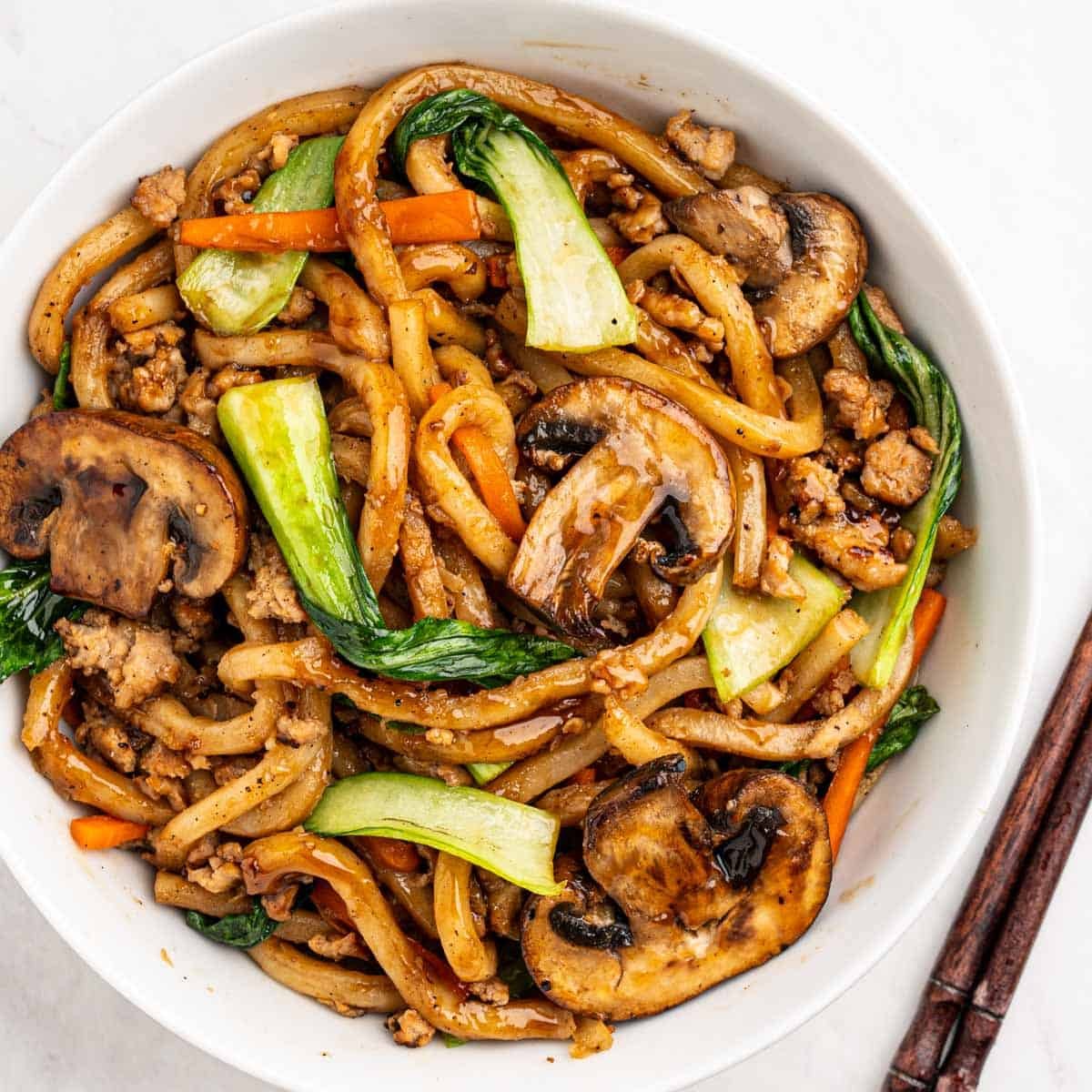
There are certain dishes that instantly make you feel cozy the moment they hit the pan, and Yaki Udon noodles are one of those magical meals for me. Imagine thick, chewy noodles sizzling in a hot skillet, coated in a savory sauce with crisp vegetables and tender bites of protein. The aroma alone is enough to make the kitchen feel alive.
The first time I made Yaki Udon at home, I was craving something comforting but quick—something that felt like street food but still fresh and homemade. I tossed together some noodles, soy sauce, garlic, and vegetables, and within minutes I had a dish that tasted like it came straight from a Japanese noodle stall. Ever since that day, this recipe has become one of my favorite “comfort bowls” whenever I want something warm, satisfying, and full of flavor.
If you love noodle dishes that are rich, savory, and endlessly customizable, this Yaki Udon recipe might become one of your favorites too. Let’s step into the kitchen together and bring this delicious noodle bowl to life.
Recipe Origin & Story
Yaki Udon is a beloved Japanese stir-fried noodle dish that evolved from the more famous Yakisoba. The key difference is the noodle: instead of thin wheat noodles, Yaki Udon uses thick, chewy udon noodles that absorb sauce beautifully. The dish is commonly found in Japanese street food stalls, casual restaurants, and home kitchens.
Traditionally, it’s made by quickly stir-frying noodles with vegetables, soy-based sauce, and proteins like chicken, pork, or shrimp. What makes it special is the balance—savory sauce, springy noodles, and crisp vegetables all cooked together in one hot pan.
When I first started experimenting with this dish, I realized how flexible it is. Sometimes I make it with chicken, sometimes with shrimp, and sometimes simply with vegetables when I want something lighter. No matter the variation, the comforting flavor of those saucy noodles always steals the show.
Ingredient Spotlight
- Main Star:
The udon noodles. Thick, chewy, and incredibly satisfying, udon noodles hold onto sauce better than many other noodles. Their soft texture makes each bite comforting and hearty. - Secret Boost:
A combination of soy sauce, oyster sauce, and a touch of sesame oil. This trio creates the signature umami-rich flavor that makes Yaki Udon so addictive. - Quality Tips:
Fresh or frozen udon noodles work best. If using packaged noodles, loosen them gently before stir-frying. Choose crisp vegetables like cabbage, carrots, and bell peppers to add texture and color.
Nutritional Benefits
Yaki Udon can be both comforting and nourishing when balanced with vegetables and lean protein. Udon noodles provide carbohydrates for energy, while vegetables like cabbage and carrots contribute fiber, vitamins, and antioxidants.
If you add chicken, shrimp, tofu, or eggs, the dish becomes a well-rounded meal packed with protein. Cooking it at home also allows you to control sodium and oil levels, making it lighter than many restaurant versions.
Adaptable Variations
- Dietary Swaps:
Use gluten-free soy sauce if needed. Replace udon noodles with rice noodles for a gluten-free version. Tofu works beautifully as a plant-based protein. - Flavor Twists:
Add chili paste for heat, ginger for brightness, or a drizzle of teriyaki sauce for extra sweetness. Mushrooms and bok choy also pair wonderfully with udon. - Seasonal Spins:
In summer, add zucchini and snap peas for freshness. In winter, cabbage, mushrooms, and carrots make the dish heartier and more warming.
Cooking Science Explained
A few simple cooking principles help make perfect Yaki Udon:
1. High heat keeps noodles from getting soggy.
Stir-frying quickly over high heat gives the noodles a slightly toasted flavor while keeping them springy.
2. Sauce should be added last.
Adding sauce at the end prevents the noodles from absorbing too much moisture too early.
3. Vegetables should stay slightly crisp.
Quick cooking preserves their texture and nutrients while adding contrast to the soft noodles.
Easy, Step-by-Step Recipe
Ingredients
- 2 packs udon noodles (about 400 g)
- 2 tablespoons vegetable oil
- 2 cloves garlic, minced
- 1 teaspoon grated ginger (optional)
- 1 cup shredded cabbage
- 1 carrot, thinly sliced
- 1 bell pepper, sliced
- 1/2 cup mushrooms, sliced
- 1 cup cooked chicken, shrimp, or tofu (optional)
- 2 green onions, sliced
For the Sauce:
- 3 tablespoons soy sauce
- 1 tablespoon oyster sauce
- 1 tablespoon mirin or honey
- 1 teaspoon sesame oil
- 1/2 teaspoon black pepper
Instructions
- Prepare the noodles:
If using frozen udon noodles, thaw briefly in hot water to loosen them. Drain well. - Heat the pan:
Heat vegetable oil in a large skillet or wok over medium-high heat. - Sauté aromatics:
Add garlic and ginger and cook for about 30 seconds until fragrant. - Cook vegetables:
Add cabbage, carrots, bell peppers, and mushrooms. Stir-fry for 2–3 minutes until slightly tender but still crisp. - Add protein:
If using chicken, shrimp, or tofu, add it to the pan and cook briefly until heated through. - Add noodles:
Toss the udon noodles into the skillet and gently separate them. - Add sauce:
Pour the sauce mixture over the noodles and toss everything together until evenly coated. - Finish cooking:
Stir-fry for another 2–3 minutes until the noodles are hot and slightly caramelized. - Garnish and serve:
Sprinkle with green onions and serve immediately.
Practical & Valuable Tips
- Storage:
Store leftovers in an airtight container in the refrigerator for up to 3 days. - Serving Ideas:
Serve with dumplings, miso soup, or a cucumber salad for a complete meal. - Substitutions:
Replace cabbage with bok choy or spinach. Add scrambled eggs or edamame for extra protein.
Make-Ahead & Batch-Cooking
Yaki Udon is excellent for meal prep. Cook the noodles and vegetables ahead of time and store them separately from the sauce. When ready to eat, simply reheat everything in a skillet with the sauce for a quick and satisfying meal.
Eco-Friendly Kitchen Hacks
- Use leftover vegetables from the fridge to reduce food waste.
- Cook multiple portions at once to save energy.
- Store leftovers in reusable containers instead of disposable packaging.
Pairing Suggestions
- Beverages:
Green tea, iced jasmine tea, or sparkling water with lime complements the savory noodles. - Sides & Sauces:
Serve with chili oil, sesame seeds, or pickled vegetables for added flavor.
Frequently Asked Questions
- Can I use dried udon noodles?
Yes, but cook them according to package instructions before stir-frying. - Is Yaki Udon spicy?
Traditionally it’s mild, but you can add chili sauce or flakes for heat. - Can I make it vegetarian?
Absolutely—use tofu and replace oyster sauce with mushroom sauce. - Why are my noodles sticking?
Make sure the pan is hot and toss the noodles gently while stir-frying.
Call to Action
Try this Irresistible Yaki Udon Noodle Recipe the next time you crave comforting noodles with bold flavors. It’s quick, flexible, and incredibly satisfying—perfect for both busy weeknights and relaxed weekend cooking.
Bonus: Your Kitchen Notes
Use this section in your WordPress editor to record your own twists—extra spice, new vegetables, or different proteins. Every time you cook it, you can refine the recipe to make it uniquely yours.