
Personalized Introduction
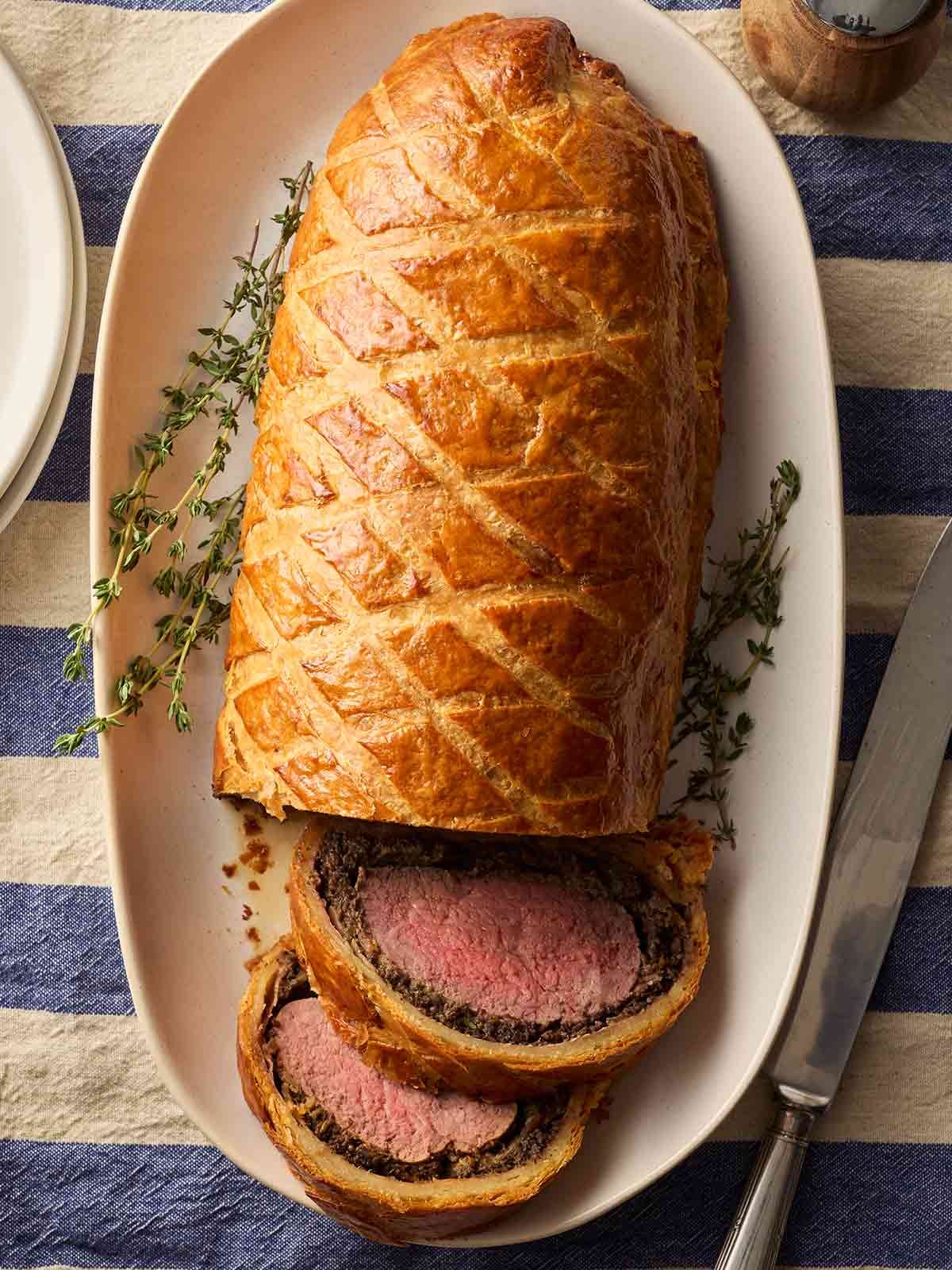
There are certain dishes that instantly feel legendary, and Beef Wellington is definitely one of them. The first time I watched Gordon Ramsay prepare it, I remember thinking how elegant and dramatic the whole process looked—golden pastry, perfectly pink beef, and layers of flavor wrapped together like a culinary masterpiece.
But once I tried making it myself, I realized something surprising: while it looks impressive, the steps are actually very manageable if you take your time. And when you slice into that crisp puff pastry and reveal the tender beef inside, it feels like you’ve just created something truly special in your own kitchen.
Whenever I make Beef Wellington, it’s usually for a celebration or a dinner where I want to serve something memorable. It’s rich, savory, and elegant—yet deeply comforting at the same time. If you’ve ever wanted to cook a dish that feels like a restaurant centerpiece, this is the perfect adventure to take in your kitchen.
Recipe Origin & Story
Beef Wellington is a classic British dish believed to have been named after Arthur Wellesley, the first Duke of Wellington. Traditionally, it features a tender beef fillet coated with mushroom duxelles, wrapped in prosciutto, and sealed inside buttery puff pastry before baking.
Over the years, chefs around the world have adapted the recipe, but Gordon Ramsay’s version became famous through television and his restaurants. His approach focuses on layering flavor while keeping the pastry crisp and the beef perfectly cooked.
The dish has become a symbol of fine dining, but many home cooks now recreate it successfully in their own kitchens. With careful preparation and a little patience, Beef Wellington transforms simple ingredients into something truly extraordinary.
Ingredient Spotlight
- Main Star:
Beef tenderloin (filet). This cut is incredibly tender and lean, making it perfect for the elegant structure of Beef Wellington. - Secret Boost:
Mushroom duxelles. Finely chopped mushrooms cooked with shallots and herbs create a deep, earthy flavor that complements the richness of the beef. - Quality Tips:
Choose a center-cut beef tenderloin for even cooking. Use fresh mushrooms and high-quality puff pastry to achieve the best flavor and texture.
Nutritional Benefits
While Beef Wellington is an indulgent dish, it still provides several nutritional benefits. Beef is an excellent source of high-quality protein, iron, and vitamin B12, which support energy production and muscle health.
Mushrooms contribute antioxidants, fiber, and minerals, adding nutritional balance to the dish. When paired with vegetables or a fresh salad, Beef Wellington becomes part of a well-rounded meal.
Adaptable Variations
- Dietary Swaps:
For a lighter option, use leaner beef or serve smaller portions with more vegetables. - Flavor Twists:
Add a layer of Dijon mustard to enhance the flavor of the beef. Some variations include foie gras or pâté for additional richness. - Seasonal Spins:
In colder months, pair the Wellington with roasted root vegetables. During warmer seasons, serve with a fresh green salad or asparagus.
Cooking Science Explained
A few cooking techniques are key to making a perfect Beef Wellington.
1. Searing locks in flavor.
Searing the beef quickly creates a flavorful crust and helps maintain moisture during baking.
2. Mushroom duxelles removes moisture.
Cooking the mushrooms thoroughly evaporates excess water, preventing the pastry from becoming soggy.
3. Resting the beef keeps it juicy.
Allowing the meat to rest after cooking helps redistribute juices for tender slices.
Easy, Step-by-Step Recipe
Ingredients
- 1 center-cut beef tenderloin (about 2 lbs)
- Salt and black pepper to taste
- 2 tablespoons olive oil
- 2 tablespoons Dijon mustard
- 8 slices prosciutto
- 1 sheet puff pastry, thawed
- 1 egg yolk (for egg wash)
For the Mushroom Duxelles:
- 1 lb mushrooms, finely chopped
- 2 cloves garlic, minced
- 1 shallot, finely diced
- 2 tablespoons butter
- Fresh thyme leaves
- Salt and pepper
Instructions
- Sear the beef:
Season the beef with salt and pepper. Heat olive oil in a pan and sear the beef on all sides until browned. Remove and brush with Dijon mustard. - Prepare the duxelles:
In the same pan, melt butter and cook mushrooms, garlic, and shallots until the mixture becomes dry and concentrated. Season with thyme, salt, and pepper. - Wrap with prosciutto:
Lay plastic wrap on a surface and arrange prosciutto slices overlapping. Spread the mushroom mixture over the prosciutto. - Roll the beef:
Place the seared beef on top and roll tightly using the plastic wrap. Chill for 15–20 minutes. - Wrap in pastry:
Roll out puff pastry and place the chilled beef in the center. Wrap completely and seal edges. - Apply egg wash:
Brush the pastry with egg yolk for a golden finish. - Bake:
Bake in a preheated oven at 400°F (200°C) for about 35–40 minutes until the pastry is golden and crisp. - Rest:
Let the Wellington rest for 10 minutes before slicing.
Practical & Valuable Tips
- Storage:
Leftovers can be stored in the refrigerator for up to 2 days. - Serving Ideas:
Serve with mashed potatoes, roasted vegetables, or a red wine reduction sauce. - Substitutions:
Pancetta can replace prosciutto, and cremini mushrooms work well in the duxelles.
Make-Ahead & Batch-Cooking
Beef Wellington can be assembled several hours before baking and kept chilled until ready to cook. This makes it an excellent option for entertaining, as most of the preparation can be completed ahead of time.
When preparing for larger gatherings, individual mini Wellingtons can also be made using smaller cuts of beef wrapped in pastry.
Eco-Friendly Kitchen Hacks
- Use mushroom stems and vegetable scraps to make homemade broth.
- Store leftover pastry for other baking projects.
- Repurpose leftover beef in sandwiches or salads.
Pairing Suggestions
- Beverages:
A full-bodied red wine such as Cabernet Sauvignon pairs beautifully with the rich beef. - Sides & Sauces:
Serve with roasted vegetables, creamy mashed potatoes, or a classic red wine reduction sauce.
Frequently Asked Questions
- What temperature should the beef reach?
Medium-rare is typically around 125–130°F (52–54°C). - Why is my pastry soggy?
Ensure the mushroom mixture is fully cooked and dry before wrapping. - Can I use store-bought puff pastry?
Yes, good-quality store-bought pastry works perfectly. - How do I slice it neatly?
Use a sharp serrated knife and allow the Wellington to rest before cutting.
Call to Action
Try preparing Gordon Ramsay’s Beef Wellington when you want a truly memorable centerpiece for your table. With its golden pastry and tender beef, it’s a dish that transforms a meal into an occasion.
Bonus: Your Kitchen Notes
Use this section to record your own adjustments—different herbs, sauces, or cooking times. Each attempt can help you refine your personal version of this classic dish.