
Personalized Introduction
Have you ever smelled something so good from a grill that it instantly made you hungry? That’s exactly how I felt the first time I tried Japanese chicken yakitori. The sweet and savory aroma of grilled chicken brushed with sauce… it’s simply irresistible.
I still remember trying to recreate it at home for the first time. I didn’t even have a proper grill—just a simple pan and some wooden skewers. But once I took that first bite, juicy chicken with a slightly caramelized glaze, I knew this recipe would stay with me forever.
If you’re looking for something easy, flavorful, and fun to cook, you’re going to love this yakitori recipe. Let’s make it together like we’re standing side by side in the kitchen.
Recipe Origin & Story
Yakitori is a traditional Japanese dish that literally means “grilled chicken.” It’s commonly sold at small street stalls and casual restaurants in Japan, where chefs grill skewers of chicken over charcoal.
What I love about yakitori is how simple it is. It’s not about complicated techniques—it’s about good ingredients and careful grilling. In Japan, different parts of the chicken are used, from thighs to skin and even liver. But at home, we usually keep it simple with tender chicken pieces.
For me, yakitori reminds me of relaxed evenings, simple cooking, and sharing food with friends. It’s the kind of dish that brings people together.
Ingredient Spotlight
- Main Star: Chicken thighs are the best choice for yakitori. They stay juicy and flavorful when grilled, unlike chicken breast which can dry out quickly.
- Secret Boost: The yakitori sauce (called tare) is the magic. It’s a mix of soy sauce, sugar, and sometimes mirin that creates a sweet-savory glaze.
-
Quality Tips:
Choose fresh chicken with a natural color and no strong smell. If possible, use good-quality soy sauce—it really makes a difference in flavor.
Nutritional Benefits
Yakitori isn’t just delicious—it also offers some nutritional value when enjoyed in moderation.
Chicken thighs provide protein, which helps build and repair muscles. It also keeps you feeling full longer.
Soy sauce contains antioxidants and adds flavor without needing too much extra seasoning.
Grilling instead of frying reduces excess oil, making this dish lighter compared to many other meat recipes.
Adaptable Variations
-
Dietary Swaps:
For a lower-sodium version, use reduced-salt soy sauce. You can also try tofu or mushrooms instead of chicken for a vegetarian option. -
Flavor Twists:
Add sesame seeds, chili flakes, or a touch of honey for extra flavor. A squeeze of lemon at the end can brighten everything. -
Seasonal Spins:
In summer, grill outdoors for a smoky taste. In winter, cook it in a pan or oven and serve with warm rice or soup.
Cooking Science Explained
Let’s talk about a few simple cooking tricks that make yakitori so delicious.
First, grilling over medium heat allows the chicken to cook evenly without burning the outside too quickly.
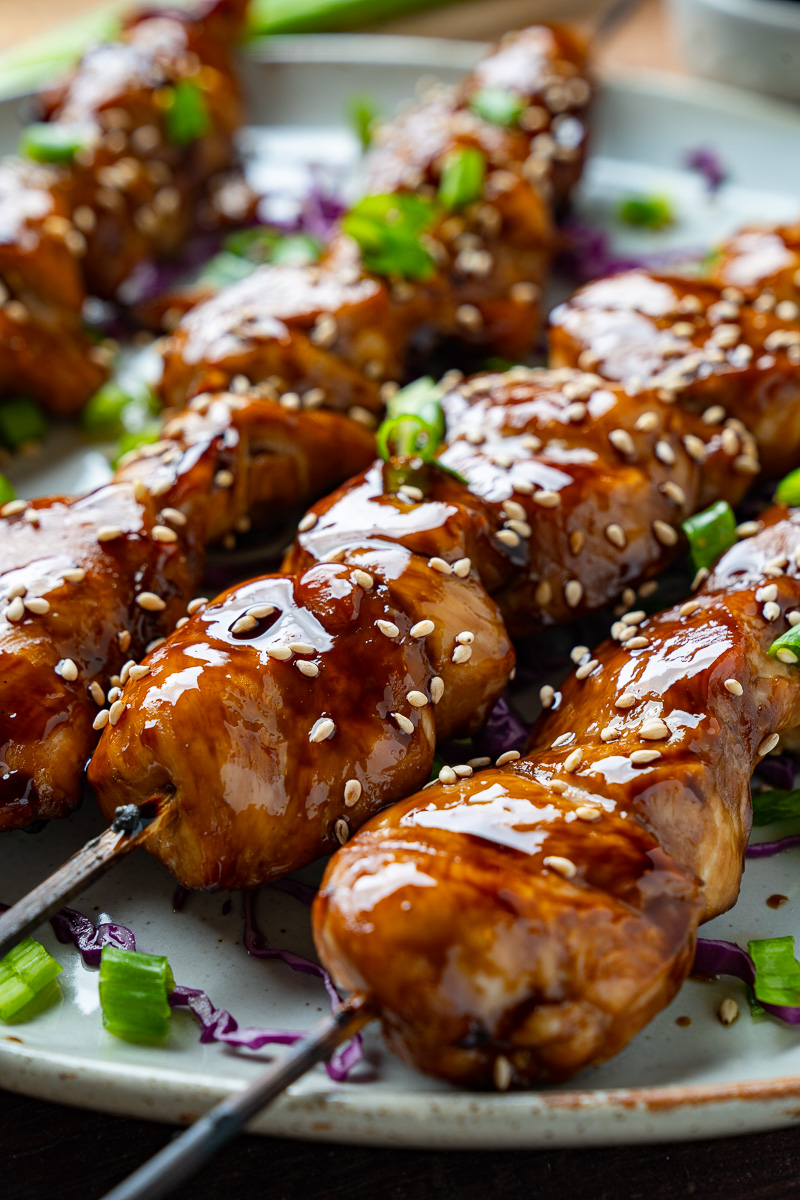
Second, brushing the sauce during cooking helps build layers of flavor. Each layer caramelizes slightly, creating that glossy finish.
Finally, using chicken thighs instead of breast keeps the meat juicy because thighs have more natural fat.
Easy, Step-by-Step Recipe
Ingredients
- 500 g (1 lb) chicken thighs, cut into bite-sized pieces
- 10–12 wooden skewers (soaked in water for 20 minutes)
- 2 tablespoons soy sauce
- 2 tablespoons sugar
- 1 tablespoon honey
- 1 tablespoon mirin (optional)
- 1 tablespoon vegetable oil
- 1 clove garlic, minced
- 1/2 teaspoon grated ginger
- Salt and pepper to taste
- Optional: sesame seeds and chopped green onions for garnish
Instructions
- Soak the wooden skewers in water to prevent them from burning while cooking.
- In a small saucepan, mix soy sauce, sugar, honey, mirin, garlic, and ginger. Heat gently until the sugar dissolves and the sauce thickens slightly. Set aside.
- Thread the chicken pieces onto the skewers, leaving a little space between each piece.
- Heat a grill pan or outdoor grill over medium heat. Lightly brush with oil.
- Place the skewers on the grill and cook for about 3–4 minutes on each side.
- Brush the yakitori sauce over the chicken while cooking, turning and glazing several times.
- Cook until the chicken is fully done and slightly caramelized on the outside.
- Remove from heat, garnish with sesame seeds and green onions, and serve hot.
Practical & Valuable Tips
- Storage: Store leftover yakitori in an airtight container in the fridge for up to 2 days.
- Serving Ideas: Serve with steamed rice, noodles, or a fresh cucumber salad.
- Substitutions: No mirin? Use a little sugar mixed with water or apple juice instead.
Make-Ahead & Batch-Cooking
You can prepare the sauce and cut the chicken ahead of time. Store them separately in the fridge. When ready to cook, simply assemble the skewers and grill.
Yakitori also works well for meal prep—just reheat gently in a pan or oven before serving.
Eco-Friendly Kitchen Hacks
- Reuse leftover marinade by boiling it before using as a sauce.
- Use metal skewers instead of disposable wooden ones.
- Cook multiple skewers at once to save energy.
Pairing Suggestions
- Beverages: Green tea, sparkling water, or light fruit juice pairs perfectly.
- Sides & Sauces: Try it with rice, miso soup, or a simple salad with sesame dressing.
Frequently Asked Questions
-
Can I cook yakitori without a grill?
Yes! A grill pan or even a regular frying pan works very well. -
How do I keep the chicken juicy?
Use chicken thighs and avoid overcooking. Medium heat is key. -
Can I use chicken breast?
You can, but be careful—it cooks faster and can dry out easily. -
What makes yakitori special?
It’s the balance of sweet and savory flavors combined with that grilled texture.
Call to Action
Now it’s your turn to bring a taste of Japan into your kitchen. Try this easy chicken yakitori recipe and enjoy the amazing flavors.
If you make it, share your experience! Did you add your own twist? I’d love to hear how it turned out for you.
Bonus: Your Kitchen Notes
Write down your personal version of this recipe here. Maybe you added spice, changed the sauce, or used different ingredients. Your ideas could inspire others!
Cooking is always better when shared—so let’s keep experimenting together.