
Personalized Introduction
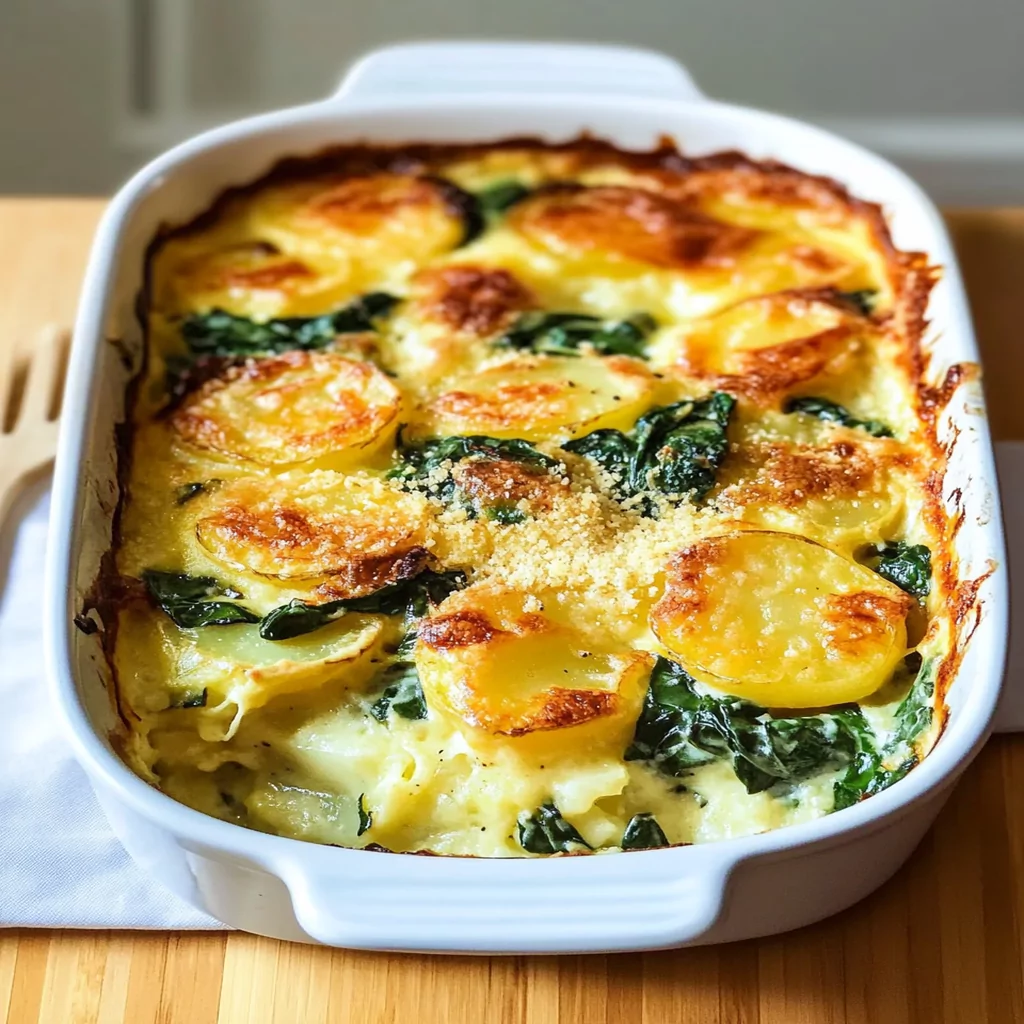
Have you ever craved something warm, creamy, and comforting—but still simple enough to make without stress? That’s exactly how I feel every time I make this spinach and potato casserole. It’s one of those dishes that fills your kitchen with cozy aromas and makes you excited to sit down and eat.
I first made this recipe on a chilly evening when I didn’t feel like cooking anything complicated. I had a few potatoes, some spinach, and a bit of cheese in the fridge. I layered everything together, baked it, and hoped for the best. The result? A golden, creamy casserole that disappeared faster than I expected.
Since then, it’s become one of my favorite comfort meals. It’s simple, affordable, and perfect whether you’re cooking for yourself or sharing with family.
Recipe Origin & Story
Casseroles have been a staple in many kitchens around the world for generations. They’re known for being practical, filling, and easy to prepare. Combining potatoes and spinach is especially popular in European home cooking, where simple ingredients are turned into hearty meals.
For me, this dish reminds me of family dinners where everything was made with what we already had at home. No fancy ingredients—just good, honest food. Over time, I added my own twist with garlic, cream, and cheese, making it richer and more comforting.
Now, it’s one of those recipes I come back to again and again, especially when I want something reliable and satisfying.
Ingredient Spotlight
- Main Star: Potatoes are the foundation of this casserole. They become soft, creamy, and slightly crispy on top when baked, making every bite satisfying.
- Secret Boost: Garlic and a touch of nutmeg elevate the flavor. Nutmeg might sound surprising, but it pairs beautifully with spinach and cream.
-
Quality Tips:
Choose firm potatoes without sprouts or green spots. For spinach, fresh leaves are ideal, but frozen spinach works well too—just make sure to drain it properly.
Nutritional Benefits
This dish isn’t just comforting—it also brings some great nutritional value.
Spinach is packed with vitamins like iron and vitamin C, helping support energy and immunity.
Potatoes provide carbohydrates that give you energy and keep you full longer.
If you add cheese and milk, you also get calcium and protein, which are important for strong bones and muscles.
Adaptable Variations
-
Dietary Swaps:
For a lighter version, use low-fat milk instead of cream. For a vegan option, swap dairy with plant-based milk and cheese alternatives. -
Flavor Twists:
Add caramelized onions, mushrooms, or even small pieces of cooked chicken for extra flavor. -
Seasonal Spins:
In spring, use fresh baby spinach. In autumn, you can mix in roasted vegetables like pumpkin or zucchini.
Cooking Science Explained
When potatoes bake slowly, their starches break down, creating a soft and creamy texture. That’s why thin slicing helps them cook evenly.
Spinach releases water when heated, so it’s important to cook or drain it first to avoid a watery casserole.
The cheese on top melts and forms a golden crust thanks to heat and protein reactions, giving the casserole that irresistible finish.
Easy, Step-by-Step Recipe
Ingredients
- 4 medium potatoes, peeled and thinly sliced
- 2 cups fresh spinach (or 1 cup frozen, drained)
- 2 tablespoons butter
- 2 cloves garlic, minced
- 1 cup heavy cream or milk
- 1 cup shredded cheese (cheddar or mozzarella)
- 1/2 teaspoon salt
- 1/2 teaspoon black pepper
- 1/4 teaspoon nutmeg (optional)
- 1 tablespoon olive oil
Instructions
- Preheat your oven to 180°C (350°F). Lightly grease a baking dish with olive oil or butter.
- If using fresh spinach, sauté it briefly in a pan until wilted, then set aside. If using frozen spinach, make sure it is fully thawed and drained.
- In the same pan, melt butter and sauté garlic for about 1 minute until fragrant.
- Add cream, salt, pepper, and nutmeg. Stir gently and let it warm up without boiling.
- Layer half of the sliced potatoes in the baking dish. Add a layer of spinach, then pour some of the cream mixture.
- Repeat the layers with remaining potatoes and sauce. Sprinkle cheese evenly on top.
- Cover with foil and bake for 30 minutes. Then remove the foil and bake for another 15–20 minutes until golden and bubbly.
- Let the casserole rest for 5–10 minutes before serving.
Practical & Valuable Tips
- Storage: Store leftovers in the fridge for up to 3 days in an airtight container.
- Serving Ideas: Serve as a main dish or as a side with grilled chicken or fish.
- Substitutions: You can replace spinach with kale or Swiss chard if needed.
Make-Ahead & Batch-Cooking
This casserole is perfect for preparing ahead of time. You can assemble it, cover it, and store it in the fridge for up to 24 hours before baking.
When reheating, cover with foil and warm it in the oven to keep it from drying out. Adding a splash of milk can help restore creaminess.
Eco-Friendly Kitchen Hacks
- Use leftover vegetables from your fridge to reduce waste.
- Cook multiple dishes at once in the oven to save energy.
- Store leftovers properly to avoid food waste.
Pairing Suggestions
- Beverages: A glass of fresh juice, sparkling water, or light tea pairs well.
- Sides & Sauces: Serve with a crisp salad, roasted vegetables, or a slice of crusty bread.
Frequently Asked Questions
-
Can I use sweet potatoes instead?
Yes! Sweet potatoes add a slightly sweet flavor and work beautifully. -
Can I freeze this casserole?
Yes, but it’s best to freeze it before baking for better texture. -
How do I know when it’s done?
The potatoes should be soft when pierced with a fork, and the top should be golden. -
Can I make it without cheese?
Yes, but the texture will be less creamy. You can use dairy-free cheese instead.
Call to Action
Now it’s your turn to try this spinach and potato casserole. It’s simple, comforting, and perfect for any day of the week.
If you make it, tell me how it turned out! Did you add your own twist or keep it classic? I’d love to hear your version.
Bonus: Your Kitchen Notes
This is your space to get creative. Write down any changes you made, ingredients you added, or tips you discovered while cooking.
Every recipe becomes better when shared—so your ideas might inspire someone else too!