
Personalized Introduction
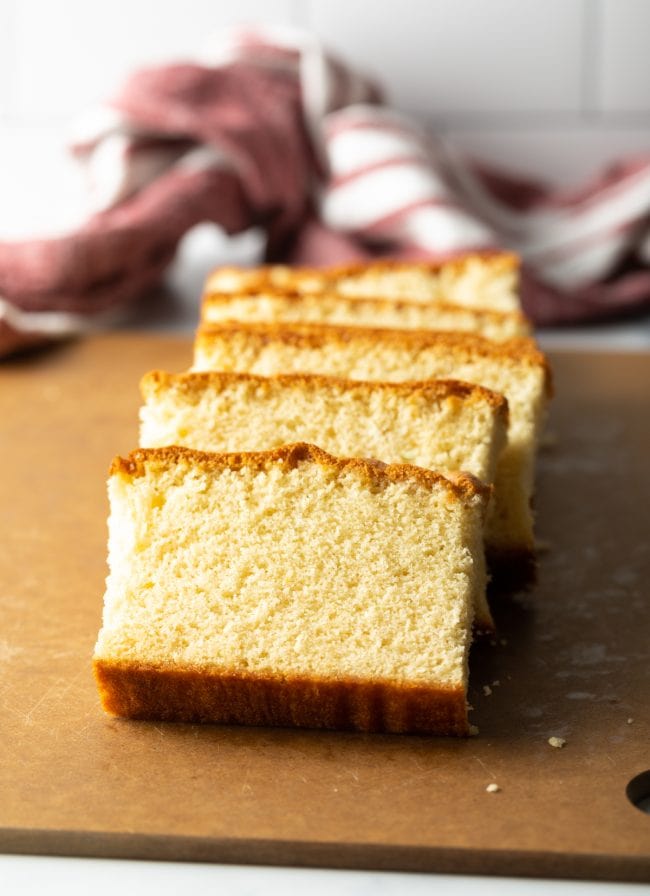
There’s something incredibly comforting about baking a simple sponge cake from scratch, especially when the result is as soft, airy, and delicately sweet as Castella Japanese Sponge Cake. Every slice has a beautiful golden crust, a tender, moist crumb, and a melt-in-your-mouth texture that makes it hard to stop at just one piece. Whether you’re enjoying it with a cup of tea, serving it to guests, or treating yourself after a long day, this cake always feels special despite its simple ingredients.
The first time I baked Castella cake, I honestly wasn’t expecting such an elegant result from such a short ingredient list. Flour, eggs, sugar, honey, and milk seemed almost too simple. But once the batter transformed into a beautifully risen cake with its signature fine texture, I immediately understood why this cake has remained popular for generations.
As it baked, my kitchen filled with the warm aroma of honey and vanilla. Watching the cake slowly rise in the oven was almost as satisfying as slicing into it after it cooled. The inside was incredibly soft, slightly bouncy, and perfectly moist without being heavy. Every bite was light, fluffy, and just sweet enough.
Since then, this recipe has become one of my favorite baking projects whenever I want something elegant without making an overly rich dessert. It’s perfect for birthdays, afternoon tea, holidays, brunch gatherings, or simply enjoying a quiet afternoon with coffee.
If you’ve never baked a Japanese Castella cake before, don’t worry. I’ll guide you through every step so you can create this bakery-quality sponge cake right in your own kitchen.
Recipe Origin & Story
Castella cake, known as “Kasutera” in Japan, has a fascinating history dating back to the 16th century. Portuguese merchants introduced a sponge cake called “Pão de Ló” to Japan during the Nanban trade period. Japanese bakers gradually adapted the recipe, creating a lighter, moister cake with honey instead of butter, resulting in the famous Castella we know today.
Over the centuries, Castella became especially popular in Nagasaki, where it remains one of the city’s signature desserts. Today, beautifully packaged Castella cakes are commonly given as gifts and enjoyed during holidays, celebrations, and afternoon tea throughout Japan.
I first tasted authentic Castella at a Japanese bakery, and I couldn’t believe how different it was from traditional sponge cakes. It was lighter than pound cake, moister than chiffon cake, and incredibly delicate. After many baking experiments, I finally developed a homemade version that captures the same soft texture and gentle sweetness.
Now it’s one of those recipes I happily bake whenever I want a simple dessert that always impresses.
Ingredient Spotlight
- Main Star: Eggs are the heart of Castella cake, providing structure, lift, and its signature soft, airy texture without relying on baking powder.
- Secret Boost: Honey adds natural sweetness while helping the cake stay moist for several days, giving Castella its distinctive flavor and tender crumb.
- Quality Tips: Use room-temperature eggs for maximum volume, high-quality honey for better flavor, and cake flour if available for the softest, finest texture.
Nutritional Benefits
Eggs provide high-quality protein, vitamin D, choline, and essential nutrients that contribute to the cake’s structure while offering more nutritional value than many traditional desserts.
Honey naturally contributes antioxidants and creates moisture that helps keep the cake soft without requiring large amounts of fat.
Since Castella contains no butter or oil in many traditional recipes, it feels surprisingly light while still delivering wonderful richness from the eggs alone.
Adaptable Variations
- Dietary Swaps: While traditional Castella relies heavily on eggs and wheat flour, you can experiment with gluten-free cake flour blends, though the texture may vary slightly.
- Flavor Twists: Add vanilla extract, matcha powder, cocoa powder, citrus zest, black sesame, espresso powder, or almond extract for unique variations.
- Seasonal Spins: Spring pairs beautifully with strawberries, summer welcomes fresh berries, autumn complements cinnamon and apple slices, while winter is perfect with whipped cream and citrus fruit.
Cooking Science Explained
Whipping the eggs with sugar incorporates millions of tiny air bubbles, creating the lift that allows the cake to rise naturally without chemical leavening.
Honey attracts moisture from the air, helping Castella stay soft and tender for days after baking.
Cooling the cake while wrapped helps trap moisture inside, creating the signature slightly sticky exterior and incredibly moist crumb that authentic Castella is famous for.
Easy, Step-by-Step Recipe
Ingredients
- 6 large eggs, room temperature
- 1 cup (200g) granulated sugar
- 2 tablespoons honey
- 2 tablespoons whole milk
- 1 teaspoon vanilla extract (optional)
- 1 cup (120g) cake flour, sifted
- Parchment paper for lining the pan
Instructions
- Preheat your oven to 320°F (160°C). Line an 8-inch square baking pan with parchment paper, allowing extra paper to extend above the edges.
- Warm the honey and milk together until smooth, then set aside to cool slightly.
- Place the eggs and sugar into a large mixing bowl.
- Using an electric mixer, beat the mixture for about 8–10 minutes until pale, thick, and tripled in volume.
- Add the honey mixture and vanilla, gently mixing until combined.
- Sift the cake flour over the batter in three additions, carefully folding after each addition to preserve as much air as possible.
- Pour the batter into the prepared pan and gently tap it once or twice to release large air bubbles.
- Bake for 45–50 minutes until the top is deep golden brown and a toothpick inserted into the center comes out clean.
- Remove the cake from the oven and gently drop the pan once from a height of about 2 inches to minimize shrinking.
- Lift the cake from the pan using the parchment paper.
- Allow it to cool completely before wrapping tightly in plastic wrap.
- For the best texture, let the wrapped cake rest overnight before slicing with a sharp knife.
Practical & Valuable Tips
- Storage: Keep the cake tightly wrapped at room temperature for up to 3 days or refrigerate for up to 5 days. Allow refrigerated slices to return to room temperature before serving.
- Serving Ideas: Serve with fresh berries, whipped cream, fruit preserves, honey, matcha tea, coffee, or vanilla ice cream.
- Substitutions: Cake flour creates the softest texture, but all-purpose flour can be used if sifted several times before mixing.
Make-Ahead & Batch-Cooking
One of the unique characteristics of Castella cake is that it actually improves after resting. Many Japanese bakeries intentionally wrap freshly baked cakes overnight because this allows the moisture to distribute evenly throughout the crumb, producing the signature soft, slightly sticky texture that makes Castella so special.
If you’re preparing this cake for a celebration, bake it one day ahead. Once completely cooled, wrap it tightly in plastic wrap and leave it at room temperature overnight. The next day, slice it into neat rectangles using a sharp knife wiped clean between cuts for beautiful bakery-style presentation.
The cake also freezes surprisingly well. Wrap individual slices tightly in plastic wrap and store them in a freezer-safe bag for up to two months. Thaw at room temperature before serving.
Eco-Friendly Kitchen Hacks
- Reuse parchment paper if it’s still clean after baking.
- Store leftover slices in reusable containers instead of disposable bags.
- Use leftover egg cartons for seed starters or craft projects.
- Serve with seasonal local fruit to reduce your environmental footprint.
Pairing Suggestions
- Beverages: Green tea, matcha latte, jasmine tea, Earl Grey, black coffee, cappuccino, or lightly sweetened iced tea pair beautifully with the delicate cake.
- Toppings & Extras: Fresh strawberries, blueberries, whipped cream, vanilla ice cream, honey drizzle, sweet red bean paste, fruit preserves, or citrus curd all complement the gentle sweetness perfectly.
Frequently Asked Questions
-
Why is my Castella cake dense?
The eggs may not have been whipped long enough, or the flour may have been folded in too aggressively, causing the batter to lose volume. -
Can I make this cake without honey?
Yes, although honey contributes both flavor and moisture. You can substitute light corn syrup or additional sugar, but the texture will be slightly different. -
Why should I wrap the cake overnight?
Wrapping traps moisture inside, giving the cake its signature soft, tender texture that improves by the next day. -
Can I add different flavors?
Absolutely! Matcha, cocoa, citrus zest, espresso powder, or vanilla all make wonderful variations while maintaining the delicate sponge texture.
Call to Action
If you’ve been searching for a beautifully soft sponge cake that’s elegant enough for celebrations yet simple enough for everyday baking, this Castella Japanese Sponge Cake is the perfect recipe to try. With only a handful of ingredients and a little patience, you’ll create a bakery-quality dessert that’s wonderfully light, moist, and unforgettable.
I hope you enjoy baking this traditional Japanese favorite as much as I do! If you give it a try, I’d love to hear how it turned out. Did you add matcha, vanilla, citrus zest, or enjoy it in its classic form? Leave a comment below, save this recipe for your next baking day, and don’t forget to share your beautiful homemade Castella cake on social media. Happy baking!
Bonus: Your Kitchen Notes
Every baker eventually develops their own favorite version of Castella cake. Use this section to record your preferred baking times, honey varieties, flavor additions, or serving ideas. Maybe your family loved it with whipped cream and strawberries, matcha glaze, fresh peaches, or a drizzle of warm honey.
Keeping these notes will help you perfect your own signature Castella recipe over time. Before long, this light and fluffy Japanese Sponge Cake will become one of your favorite homemade desserts to share during holidays, birthdays, afternoon tea, or simply whenever you’re craving something beautifully simple and absolutely delicious. Happy baking, and enjoy every soft, delicate slice!