
Personalized Introduction
Have you ever opened the refrigerator, seen a beautiful piece of fish, and thought, “I want something that feels fancy, but I really do not want a complicated dinner”? That is exactly when I make Mahi Mahi with Lemon Butter Sauce.
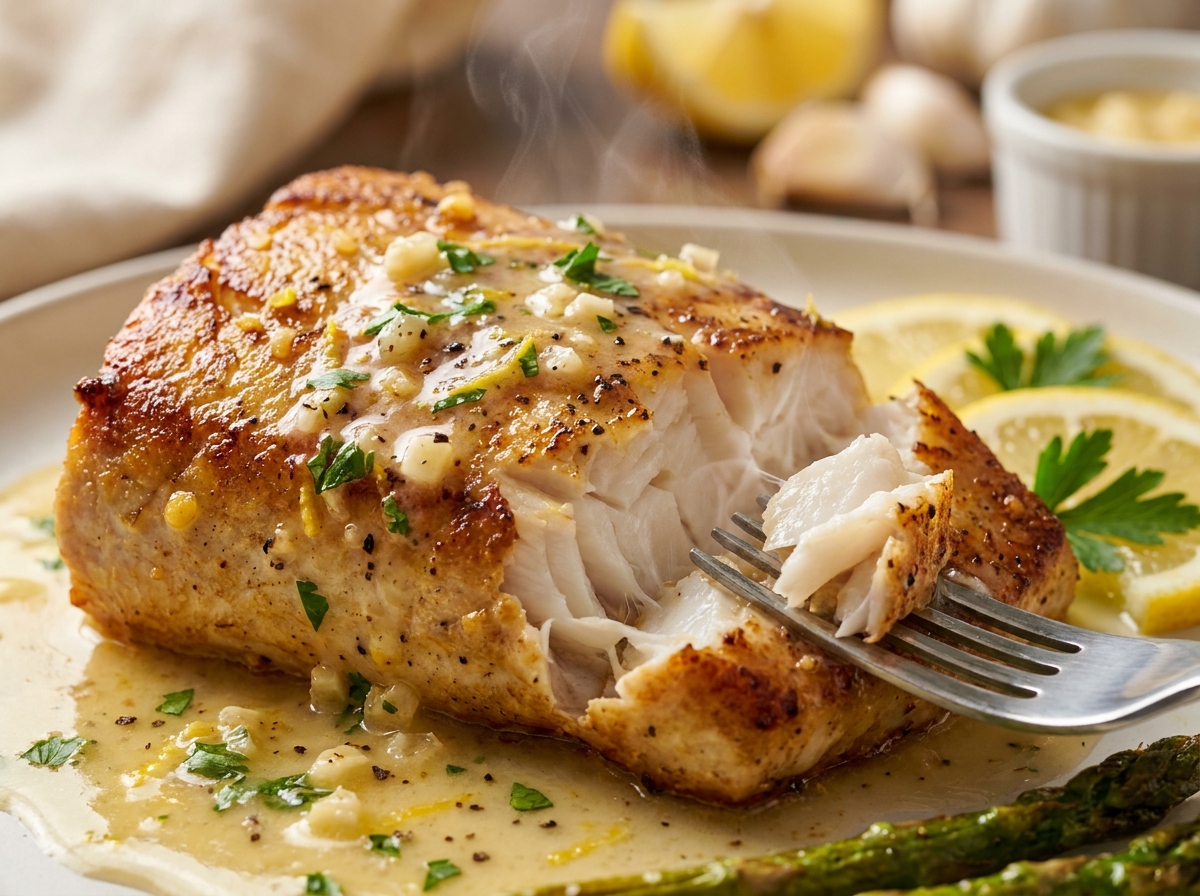
I love this recipe because it proves that a great seafood dinner does not need a long ingredient list. You get tender, flaky mahi mahi with a lightly golden outside, then spoon a silky lemon butter sauce over the top. The combination is bright, buttery, garlicky, and fresh without covering up the natural flavor of the fish.
This is one of those recipes I keep coming back to when I want a quick dinner that looks much more impressive than the effort required. The fish cooks in a skillet in just a few minutes, and the sauce comes together in the same pan. That means less cleanup and, more importantly, plenty of delicious pan flavor.
If you are new to cooking fish, do not worry. I will walk you through everything, including how to get a beautiful golden crust without drying out the mahi mahi. Once you try this method, you may find yourself using it for other fish too.
Recipe Origin & Story
Mahi mahi is a popular tropical and subtropical fish known for its firm texture and mild, slightly sweet flavor. It is especially loved because it holds together well during cooking, making it a wonderful choice for skillet recipes.
The lemon butter sauce is inspired by a classic seafood combination that home cooks have relied on for generations. Butter brings richness, lemon adds brightness, and garlic gives the sauce a savory aroma that works beautifully with delicate fish.
I like to think of this recipe as a meeting point between simple home cooking and restaurant-style seafood. There is nothing complicated happening in the pan, but the finished dish has that wonderful “special dinner” feeling.
It is also easy to customize. You can add capers for a salty bite, fresh herbs for a garden-fresh finish, or a pinch of red pepper flakes if you enjoy a little heat.
Ingredient Spotlight
- Main Star: Mahi mahi is the star here. Its firm, meaty texture makes it easy to sear while its mild flavor pairs beautifully with lemon and butter.
- Secret Boost: Fresh lemon zest adds a surprisingly bright layer of flavor to the sauce. Just a little zest can make the whole dish taste fresher.
- Quality Tips: Look for mahi mahi fillets that are firm, moist, and have a clean, fresh smell. If buying frozen fish, thaw it completely in the refrigerator and pat it very dry before cooking.
Nutritional Benefits
Mahi mahi is a lean source of protein, making it a satisfying choice when you want a lighter main course. Fish also provides important nutrients, including vitamin B12 and selenium.
Lemon adds vitamin C and plenty of fresh flavor without requiring a heavy sauce. Fresh garlic also contributes small amounts of useful plant compounds.
The butter does add richness, so if you want to keep the dish lighter, you can use a smaller amount of butter and increase the lemon juice and fresh herbs.
Adaptable Variations
- Dietary Swaps: Use olive oil or a plant-based butter alternative if you want to reduce or avoid dairy. For a gluten-free meal, simply make sure your seasonings and other packaged ingredients are certified gluten-free.
- Flavor Twists: Add capers, chopped parsley, fresh dill, basil, crushed red pepper flakes, or a small splash of white wine to the sauce.
- Seasonal Spins: Serve it with grilled asparagus and fresh tomatoes during warmer months. In cooler weather, pair it with roasted broccoli, Brussels sprouts, carrots, or creamy mashed potatoes.
Cooking Science Explained
The first important trick is getting the fish dry. Extra moisture on the surface creates steam in the skillet, making it much harder to develop that beautiful golden crust. A few seconds with paper towels can make a big difference.
The second trick is using a properly heated skillet. When the pan is hot enough, the seasoned fish begins to brown as soon as it touches the surface. That browning creates complex savory flavors while helping the outside become lightly crisp.
Finally, the lemon butter sauce should be cooked gently. Butter contains milk solids that can brown or burn quickly. Keeping the heat moderate and adding the lemon toward the end gives you a smooth, bright sauce instead of a bitter one.
Easy, Step-by-Step Recipe
Ingredients
- 4 mahi mahi fillets, approximately 5–6 ounces each
- 1 teaspoon kosher salt
- 1/2 teaspoon black pepper
- 1/2 teaspoon garlic powder
- 1/2 teaspoon paprika
- 2 tablespoons olive oil
- 4 tablespoons unsalted butter, divided
- 4 garlic cloves, finely minced
- 1/3 cup fresh lemon juice
- 1 teaspoon fresh lemon zest
- 1/4 cup chicken or seafood broth
- 1 tablespoon chopped fresh parsley
- 1 tablespoon chopped fresh dill, optional
- 1 tablespoon capers, optional
- 1/4 teaspoon red pepper flakes, optional
Instructions
- Pat the mahi mahi fillets completely dry with paper towels. This helps the fish develop a better crust.
- Season both sides of each fillet with salt, black pepper, garlic powder, and paprika.
- Heat a large skillet over medium-high heat. Add the olive oil and allow it to become hot but not smoking.
- Carefully place the mahi mahi fillets into the skillet. Leave space between the pieces so they can brown instead of steaming.
- Cook for approximately 3–4 minutes on the first side, depending on the thickness of the fillets.
- Carefully flip the fish and cook for another 3–4 minutes, or until the fish is opaque and flakes easily with a fork.
- Transfer the cooked mahi mahi to a plate and loosely cover it with foil while you prepare the sauce.
- Reduce the skillet heat to medium.
- Add 2 tablespoons of butter to the same skillet.
- Add the minced garlic and cook for approximately 30 seconds, stirring constantly so it does not burn.
- Pour in the lemon juice and broth. Use a wooden spoon to gently scrape up the flavorful browned bits from the bottom of the skillet.
- Simmer the sauce for approximately 2–3 minutes so it can reduce slightly.
- Reduce the heat to low and whisk in the remaining 2 tablespoons of butter.
- Add the lemon zest, parsley, and dill if using.
- Stir in the capers and red pepper flakes if desired.
- Taste the sauce and adjust the salt, lemon juice, or pepper according to your preference.
- Return the mahi mahi to the skillet for about 30 seconds, spooning some of the lemon butter sauce over each fillet.
- Transfer the fish to serving plates and spoon plenty of sauce over the top.
- Garnish with fresh parsley, lemon slices, and additional herbs.
- Serve immediately with your favorite sides.
Practical & Valuable Tips
- Storage: Store leftover mahi mahi and sauce in an airtight container in the refrigerator for up to 2 days.
- Serving Ideas: Serve with rice, roasted potatoes, asparagus, broccoli, green beans, or a crisp salad. Fresh lemon wedges are always a good idea.
- Substitutions: If mahi mahi is unavailable, you can use another firm white fish such as cod, halibut, haddock, or sea bass. Adjust cooking time according to thickness.
Try not to move the fish around the skillet while the first side is cooking. Letting it sit undisturbed gives the surface time to brown properly.
If your fillets are especially thick, lower the heat after searing so the center can finish cooking without burning the outside.
Use fresh lemon juice rather than bottled lemon juice whenever possible. The flavor is noticeably brighter in a simple sauce like this.
Do not walk away while cooking the garlic. It takes only a short time to become fragrant, and burnt garlic can make the entire sauce taste bitter.
If your sauce becomes too thick, add a tablespoon or two of broth. If it is too thin, simmer it for another minute or two before adding the final butter.
Make-Ahead & Batch-Cooking
Because fish is best when freshly cooked, I recommend preparing the sauce ingredients and side dishes ahead rather than fully cooking the mahi mahi hours in advance.
You can season the fish and keep it covered in the refrigerator for several hours before cooking. You can also prepare the vegetables, cook the rice, and measure out the sauce ingredients ahead of time.
If you have leftovers, refrigerate them promptly in a shallow airtight container. Reheat the fish gently in a skillet over low heat with a small splash of broth or water.
Avoid reheating fish at very high temperatures because it can become dry quickly. The goal is simply to warm it through.
The lemon butter sauce can also be reheated gently. If it separates slightly, whisk in a small splash of warm broth or water until it becomes smooth again.
Eco-Friendly Kitchen Hacks
- Use lemon zest before squeezing the lemons so none of the flavorful peel goes to waste.
- Save leftover herbs and freeze them in olive oil for future sauces.
- Use vegetable trimmings to make homemade broth.
- Cook extra rice or vegetables and turn leftovers into a quick lunch bowl the next day.
- Use the same skillet for the fish and sauce to reduce dishes and conserve water during cleanup.
Pairing Suggestions
- Beverages: Sparkling water with lemon, iced tea, cucumber water, lemonade, or a refreshing citrus drink.
- Sides & Sauces: Garlic rice, roasted asparagus, green beans, mashed potatoes, roasted baby potatoes, couscous, or a fresh garden salad.
I especially love serving this fish with fluffy rice because the rice absorbs all that beautiful lemon butter sauce. It is one of those simple combinations where the side dish becomes almost as exciting as the main course.
For something lighter, try steamed asparagus or broccoli with a squeeze of lemon. The vegetables bring freshness and a little crunch that balances the tender fish.
A simple tomato and cucumber salad is another excellent option, especially when you want a bright summer dinner.
Frequently Asked Questions
- How do I know when mahi mahi is cooked?
The fish should become opaque and flake easily when gently pressed with a fork. For the most reliable result, use an instant-read thermometer and cook fish to 145°F (63°C). - Can I use frozen mahi mahi?
Yes. Thaw it completely in the refrigerator before cooking, then pat it very dry with paper towels. - Can I bake mahi mahi instead?
Absolutely. Season the fish, place it in a lightly greased baking dish, and bake at approximately 400°F (200°C) until opaque and cooked through. Prepare the lemon butter sauce separately on the stovetop. - Why is my fish sticking to the pan?
Make sure the skillet is properly heated and the fish is dry before adding it. Also, give the fish time to form a crust before trying to flip it. - Can I make the lemon butter sauce without garlic?
Yes. Simply leave out the garlic and add fresh herbs, capers, or a little extra lemon zest for flavor. - What other fish can I use?
Cod, halibut, haddock, sea bass, and other firm white fish can work well. Remember that thinner fillets will cook more quickly.
Call to Action
If you have been looking for an easy seafood dinner that feels special without requiring restaurant-level skills, I hope you give this Mahi Mahi with Lemon Butter Sauce a try.
The combination of flaky golden fish, creamy butter, bright lemon, and fragrant garlic is simple, but it delivers so much flavor. Add a side of rice and roasted vegetables, and you have a complete dinner that looks beautiful on the plate.
I also love how easy it is to change. Add capers for a briny twist, fresh herbs for a garden-fresh flavor, or red pepper flakes when you want a little heat.
If you make this recipe, share your version on Pinterest or social media and let me know what sides and toppings you chose. Your little kitchen twist might give another home cook an idea for their next dinner!
Bonus: Your Kitchen Notes
This is where I would write down the little discoveries that make this recipe perfect for you. Maybe you prefer extra lemon, a little more garlic, or a generous handful of fresh herbs. Those small adjustments are what turn a recipe into your recipe.
If you love bright flavors, add extra lemon zest and a squeeze of fresh lemon over the fish just before serving. For a richer version, whisk another small piece of cold butter into the sauce right at the end.
For a Mediterranean-inspired variation, add capers, parsley, cherry tomatoes, and a little oregano. You can serve it over couscous with a simple cucumber salad.
For a spicy version, add red pepper flakes or finely chopped chili peppers to the garlic butter sauce. A tiny amount of chili can be wonderful with the sweetness of the mahi mahi.
You can also turn leftovers into a completely different meal. Flake the chilled fish and add it to tacos with cabbage, avocado, lime, and a light sauce. Or serve it over greens for a quick seafood salad.
One of my favorite things about this recipe is that it reminds me not to overcomplicate good food. Fresh fish, a hot skillet, butter, lemon, garlic, and a few minutes of attention can create something that tastes genuinely special.
So grab your skillet, warm up those lemons, and give yourself permission to make a restaurant-style seafood dinner right at home. Once that buttery lemon sauce starts bubbling in the pan, you will understand why this simple recipe is worth keeping in your regular dinner rotation.