Personalized Introduction
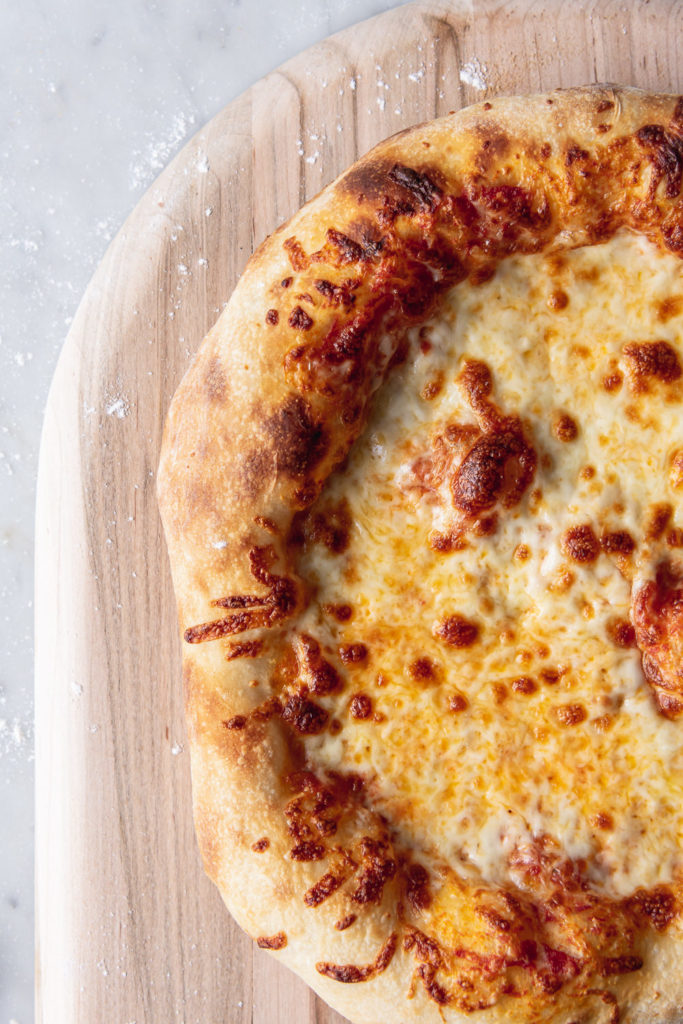
There’s something almost magical about making your own artisan pizza dough. I still remember the first time I pulled a homemade pizza out of the oven and saw those beautiful bubbles rising along the crust. The edges were golden, slightly charred in spots, crisp on the outside and chewy inside. I stood there staring at it like I had just discovered fire.
If you’ve ever wanted that pizzeria-style crust at home—the kind that crackles when you slice it but folds perfectly without breaking—this is where it starts. Not with fancy toppings. Not with expensive tools. It starts with dough. Good dough. Patient dough. Dough that you treat like something alive.
Today, I’m going to walk you through my favorite way to make artisan pizza dough. Simple ingredients. No complicated steps. Just time, technique, and a little understanding of what’s happening in that bowl.
Recipe Origin & Story
Artisan pizza dough has roots in traditional Italian baking, especially Neapolitan-style pizza. In Italy, pizza dough is simple: flour, water, salt, yeast. That’s it. The difference comes from fermentation and technique.
I used to think good pizza required a wood-fired oven or special imported flour. But one evening, I decided to experiment with a long fermentation in my fridge. The next day, I baked the dough on a hot steel, and when I saw the crust puff up with those signature bubbles, I knew I had cracked the code. It wasn’t about complexity. It was about patience.
Now, this dough has become a ritual in my kitchen. I make it the day before, let it rest overnight, and the next day feels like a small celebration. Pizza night becomes something intentional, not rushed.
Ingredient Spotlight
- Main Star:
Flour. Bread flour works best because of its higher protein content. More protein means more gluten development, which creates that chewy, elastic structure. - Secret Boost:
Time. A slow, cold fermentation in the refrigerator deepens flavor and improves texture. This is what creates those airy bubbles in the crust. - Quality Tips:
Use lukewarm water—not hot, not cold. Measure salt carefully. And don’t overload with yeast. Too much yeast creates fast rise but less flavor.
Nutritional Benefits
Homemade dough gives you full control over ingredients. No preservatives, no unnecessary additives. Using quality flour provides carbohydrates for energy, and if you use whole wheat flour for part of the mix, you add fiber and nutrients.
Plus, fermenting dough slowly can make it easier to digest because the yeast begins breaking down some starches and proteins during the resting process.
Adaptable Variations
- Dietary Swaps:
Replace up to 50% of the flour with whole wheat for a nuttier flavor. Use gluten-free pizza flour blends if needed. - Flavor Twists:
Add a tablespoon of olive oil for a softer crust. Mix in dried oregano or garlic powder for subtle flavor infusion. - Seasonal Spins:
In summer, keep it light and crisp for fresh toppings like tomatoes and basil. In winter, bake slightly thicker for heartier toppings.
Cooking Science Explained
Let’s talk about why artisan dough becomes crispy, chewy, and bubbly:
1. Gluten development.
When flour and water combine and are kneaded, gluten forms. This creates elasticity, allowing gas to get trapped inside.
2. Fermentation creates bubbles.
Yeast consumes sugars and releases carbon dioxide. Those gases form air pockets that expand during baking.
3. High heat equals crisp crust.
Baking at very high temperature causes rapid oven spring and caramelization, creating that golden, crisp exterior.
Easy, Step-by-Step Recipe
Ingredients
- 3 1/2 cups (440g) bread flour
- 1 1/2 teaspoons salt
- 1 teaspoon sugar
- 1 teaspoon instant yeast
- 1 1/3 cups (315ml) lukewarm water
- 1 tablespoon olive oil (optional)
Instructions
- Mix dry ingredients:
In a large bowl, combine flour, salt, sugar, and yeast. - Add water:
Slowly add lukewarm water while mixing until a shaggy dough forms. - Knead:
Knead by hand for 8–10 minutes until smooth and elastic. The dough should feel slightly tacky but not sticky. - First rise:
Place in a lightly oiled bowl, cover, and let rise at room temperature for 1–2 hours until doubled. - Cold ferment:
Transfer to refrigerator and let rest for 12–24 hours for best flavor. - Divide & rest:
Bring to room temperature 1 hour before baking. Divide into 2 balls and rest covered. - Shape:
Gently stretch dough by hand—avoid rolling pin to keep air bubbles intact. - Bake:
Preheat oven to 475–500°F (245–260°C) with pizza stone or steel inside. Bake 8–12 minutes until golden and bubbly.
Practical & Valuable Tips
- Storage:
Store dough in the fridge up to 3 days. Freeze dough balls individually for up to 2 months. - Serving Ideas:
Top with classic tomato sauce and mozzarella, or go creative with burrata, arugula, or spicy sausage. - Substitutions:
If no bread flour, use all-purpose flour but expect slightly less chew.
Make-Ahead & Batch-Cooking
This dough is perfect for meal prep. Make multiple dough balls and refrigerate for pizza throughout the week. The longer it ferments (within 72 hours), the more flavor develops.
You can even par-bake crusts halfway, cool them, and freeze for quick weeknight pizzas.
Eco-Friendly Kitchen Hacks
- Use reusable bowl covers instead of plastic wrap.
- Make multiple pizzas at once to maximize oven heat usage.
- Repurpose leftover dough into garlic knots or flatbread.
Pairing Suggestions
- Beverages:
Sparkling water, lemonade, or classic iced tea. - Sides & Sauces:
Serve with a crisp green salad, garlic butter dip, or chili oil drizzle.
Frequently Asked Questions
- Why is my crust not bubbly?
You may have degassed it too much. Handle gently and avoid rolling pin. - Can I skip cold fermentation?
Yes, but flavor and texture improve with overnight rest. - Why is my crust tough?
Over-kneading or too much flour can make it dense. - Can I grill this dough?
Absolutely. Grill each side 1–2 minutes before adding toppings.
Call to Action
Try this Artisan Pizza Dough once, and pizza night at home will never feel the same again. Crispy, chewy, bubbly crust made by your own hands—that’s something special.
Bonus: Your Kitchen Notes
Use this space to record your fermentation time, oven temperature tweaks, or favorite topping combos. Artisan dough gets better the more you practice—and every batch teaches you something new.