Personalized Introduction
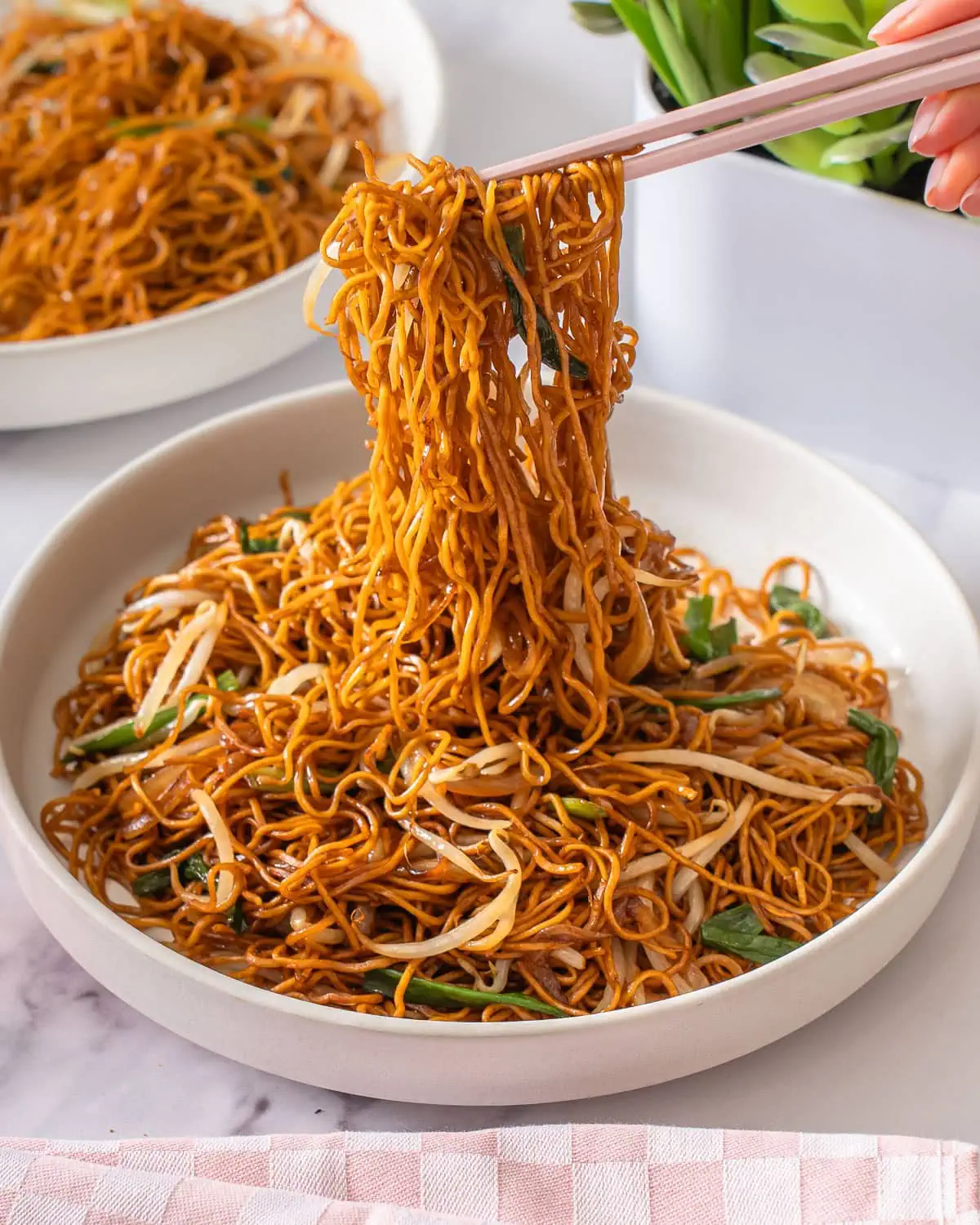
There’s something deeply comforting about a plate of Cantonese Chow Mein. For me, it’s one of those dishes that instantly brings calm to the kitchen. The gentle sizzle of noodles hitting the pan, the glossy sauce coating everything just right, and that familiar aroma of soy sauce and garlic—it all feels like home, even if you’re cooking it on a random weeknight.
I started making Cantonese chow mein when I wanted a stir-fry that felt lighter and more balanced than takeout, but still packed with flavor. This isn’t the overly saucy, heavy noodle dish some people expect. Cantonese-style chow mein is all about texture: tender noodles, crisp vegetables, juicy protein, and a clean, savory sauce that lets every ingredient shine.
So let’s cook this together, slowly and comfortably. No rushing, no stress—just a simple, satisfying dish that always delivers.
Recipe Origin & Story
Cantonese chow mein comes from southern China, especially the Guangdong region, where cooking focuses on freshness, balance, and subtle seasoning. Unlike other noodle dishes, this style is known for its lightly seasoned sauce and emphasis on texture rather than heaviness.
Traditionally, chow mein noodles are either pan-fried until crispy or stir-fried until perfectly tender. In many Cantonese households and restaurants, the noodles are paired with vegetables, meat, or seafood, all brought together with a simple savory sauce. It’s everyday food—nothing fancy—but that’s exactly what makes it special.
In my kitchen, this dish became a go-to when I wanted something quick but comforting. It’s adaptable, forgiving, and always tastes better than expected.
Ingredient Spotlight
- Main Star:
Chow mein noodles or egg noodles. They’re springy, satisfying, and perfect for absorbing sauce without becoming soggy. - Secret Boost:
Oyster sauce. Just a small amount adds deep umami flavor and gives the dish that classic Cantonese taste. - Quality Tips:
Use fresh noodles if possible, but dried egg noodles work well too. Choose crisp vegetables and slice everything evenly so it cooks at the same pace.
Nutritional Benefits
Cantonese chow mein can be surprisingly balanced. Noodles provide energy, while vegetables like cabbage, carrots, and bean sprouts add fiber and vitamins. If you add chicken, shrimp, or tofu, you also get a solid protein boost.
Because the sauce is light, the dish doesn’t feel heavy. You can easily adjust oil and salt levels, making it a meal that fits both comfort and everyday eating.
Adaptable Variations
- Dietary Swaps:
Use rice noodles for a gluten-free option (with gluten-free soy sauce). Go vegetarian by using tofu or mushrooms instead of meat. - Flavor Twists:
Add a drizzle of sesame oil at the end, white pepper for warmth, or chili oil if you like heat. - Seasonal Spins:
In winter, add mushrooms or bok choy. In summer, keep it light with napa cabbage and bean sprouts.
Cooking Science Explained
1. High heat keeps noodles from getting soggy.
A hot pan helps evaporate moisture quickly, preserving texture.
2. Sauce goes in last.
This coats the noodles evenly without overcooking them.
3. Even slicing matters.
Uniform pieces cook evenly, keeping the dish balanced.
Easy, Step-by-Step Recipe
Ingredients
- 12 oz (340 g) chow mein or egg noodles
- 2 tablespoons vegetable oil
- 1/2 lb (225 g) chicken breast, shrimp, or tofu, sliced
- 2 cloves garlic, minced
- 1 cup shredded cabbage
- 1/2 cup julienned carrots
- 1/2 cup bean sprouts
- 2 green onions, sliced
For the Sauce:
- 2 tablespoons soy sauce
- 1 tablespoon oyster sauce
- 1/2 cup chicken or vegetable broth
- 1 teaspoon cornstarch
- 1/2 teaspoon sugar
- White pepper to taste
Instructions
- Cook the noodles:
Boil noodles according to package instructions. Drain and set aside. - Prepare the sauce:
Whisk all sauce ingredients together until smooth. - Cook the protein:
Heat oil in a wok or large pan. Cook protein until just done. Remove and set aside. - Sauté aromatics:
Add garlic to the pan and stir briefly until fragrant. - Add vegetables:
Stir-fry cabbage, carrots, and bean sprouts until just tender. - Combine noodles:
Add noodles and protein back to the pan. - Add sauce:
Pour sauce over everything and toss gently until coated and glossy. - Finish:
Add green onions, adjust seasoning, and serve hot.
Practical & Valuable Tips
- Storage:
Store leftovers in the fridge for up to 2 days. - Serving Ideas:
Serve with steamed dumplings, soup, or a light cucumber salad. - Substitutions:
Use spaghetti in a pinch—it works surprisingly well.
Make-Ahead & Batch-Cooking
You can prep all ingredients ahead of time and store them separately. When ready to eat, cooking takes less than 10 minutes, making this perfect for busy nights.
Eco-Friendly Kitchen Hacks
- Use leftover vegetables from the fridge.
- Cook once, enjoy twice to reduce waste.
Pairing Suggestions
- Beverages:
Green tea, jasmine tea, or sparkling water. - Sides & Sauces:
Chili oil, soy sauce, or pickled vegetables.
Frequently Asked Questions
- Is Cantonese chow mein saucy?
No, it’s lightly coated, not drenched. - Can I make it vegetarian?
Yes, just use vegetables and tofu. - Why are my noodles soggy?
The pan may not be hot enough, or the sauce was added too early. - Can I use dried noodles?
Yes, just cook and drain them well.
Call to Action
Make this Cantonese Chow Mein when you want something simple, comforting, and full of honest flavor. It’s a dish you’ll come back to again and again.
Bonus: Your Kitchen Notes
Use this space to record your favorite protein, vegetable combo, or sauce tweak. This dish adapts beautifully to your taste.