
Personalized Introduction
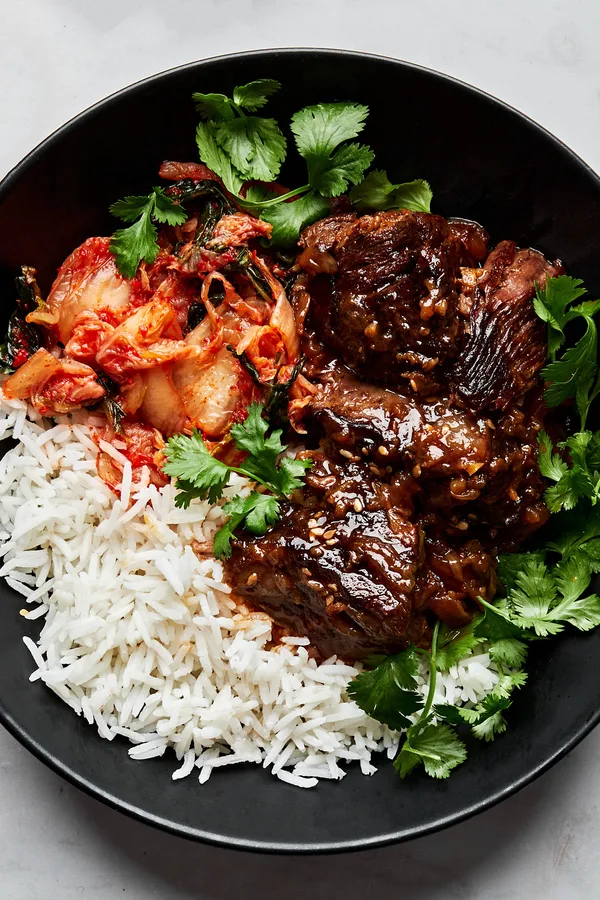
Some meals take time, but they give something back in return. This Korean Style Pot Roast is one of those dishes. The first time I made it, I wasn’t in a rush—I wanted something slow, something rich, something that would fill the kitchen with real aroma. And that’s exactly what happened.
Have you ever cooked something where the smell alone tells you it’s going to be worth it? That’s what this dish does from the moment it starts simmering.
Imagine tender beef slowly braised until it falls apart, coated in a deep, slightly sweet, savory sauce infused with garlic, soy, and spices. It’s not complicated—it just takes patience, and the result speaks for itself.
Recipe Origin & Story
This dish is inspired by Korean braised beef recipes like Galbi Jjim, known for their rich flavor and tender texture. Traditional versions often include soy sauce, garlic, and a touch of sweetness to balance the dish.
This pot roast adaptation brings those flavors into a simpler, one-pot method that fits home cooking while keeping the core identity intact.
Over time, dishes like this have become popular because they combine deep flavor with minimal hands-on effort.
Ingredient Spotlight
- Main Star:
The beef roast. Slow cooking transforms it into tender, flavorful meat. - Secret Boost:
Soy-garlic sauce. It provides that signature sweet and savory balance. - Quality Tips:
Choose a cut suitable for slow cooking (chuck roast works well). Fresh garlic and good soy sauce enhance depth. Low, slow cooking is essential.
Nutritional Benefits
This dish provides protein and iron from the beef. The slow cooking process also helps break down connective tissue, making the meat easier to eat.
You can balance the meal by serving it with vegetables or lighter sides.
Adaptable Variations
- Dietary Swaps:
– Low-sodium: use reduced-sodium soy sauce.
– Low-carb: serve with vegetables instead of rice.
– Lean option: trim excess fat from the beef. - Flavor Twists:
Add ginger for warmth, chili flakes for heat, or sesame oil for depth. - Seasonal Spins:
Add root vegetables in colder months or lighter vegetables for balance.
Cooking Science Explained
A few principles make this dish work:
1. Slow cooking breaks down collagen.
This makes the beef tender and soft.
2. Liquid carries flavor.
The braising sauce infuses into the meat over time.
3. Low heat prevents toughness.
Gentle simmering keeps the meat juicy.
Easy, Step-by-Step Recipe
Ingredients
- 2–3 lb (900 g–1.3 kg) beef chuck roast
- 2 tablespoons oil
- 4 cloves garlic, minced
- 1/2 cup soy sauce
- 1/4 cup brown sugar
- 2 cups beef broth
- 1 tablespoon sesame oil
- 1 teaspoon ginger (optional)
- Salt and pepper to taste
- Optional: carrots, potatoes, or onions
Instructions
- Season beef:
Season roast with salt and pepper. - Sear:
Heat oil in a pot and sear beef on all sides until browned. - Add aromatics:
Add garlic (and ginger if using) and cook briefly. - Add liquid:
Pour in soy sauce, brown sugar, and broth. - Braise:
Cover and simmer on low heat for 2.5–3 hours until tender. - Add vegetables (optional):
Add during the last hour of cooking. - Finish:
Drizzle sesame oil before serving. - Serve:
Slice or shred and serve warm.
Practical & Valuable Tips
- Storage:
Store in the fridge for up to 4 days. - Serving Ideas:
Serve with rice or vegetables. - Substitutions:
Adjust sweetness or saltiness to taste.
Make-Ahead & Batch-Cooking
This dish improves with time. Making it a day ahead allows flavors to deepen even more.
It reheats well and is ideal for batch cooking.
Eco-Friendly Kitchen Hacks
- Cook larger portions to save energy.
- Use leftovers for sandwiches or bowls.
- Store in reusable containers.
Pairing Suggestions
- Beverages:
Water, tea, or light juice. - Sides & Extras:
Rice, steamed vegetables, or simple salads.
Frequently Asked Questions
- Why is my beef tough?
It needs more cooking time. - Can I use a slow cooker?
Yes, cook on low for several hours. - Can I make it spicy?
Add chili flakes or sauce. - Can I freeze it?
Yes, it freezes well.
Call to Action
Make this Korean Style Pot Roast when you want something slow-cooked, rich, and deeply satisfying. Focus on patience and let the flavors develop.
Bonus: Your Kitchen Notes
Use this space to record your own variations—extra spice, different vegetables, or sauce adjustments. Each version becomes your own.