
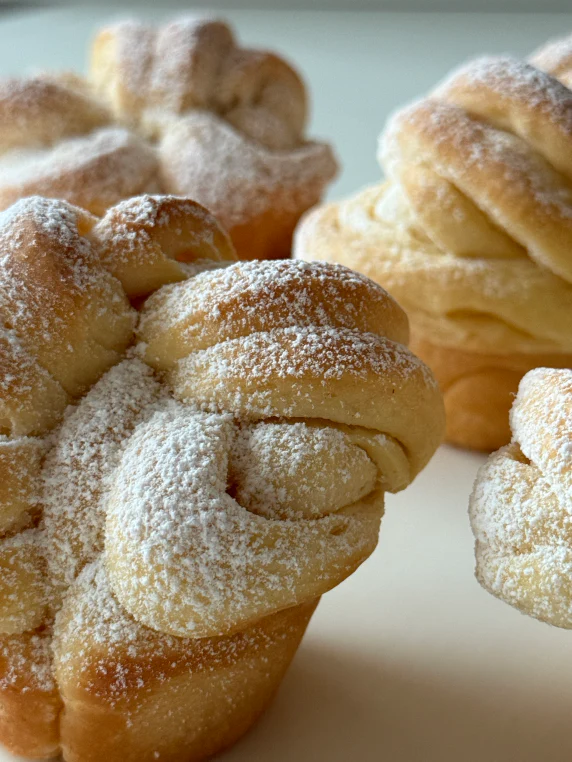
Personalized Introduction
There is something incredibly calming about baking Vanilla Brioche. For me, it’s one of those recipes that instantly slows time down. The soft dough, the gentle scent of vanilla, and the quiet waiting while the brioche rises—it all feels comforting, almost therapeutic. Have you ever baked something that made your kitchen feel warmer and more peaceful? That’s exactly what vanilla brioche does.
The first time I made brioche, I was honestly a little nervous. It sounded fancy and technical, like something only professional bakers could pull off. But once I started, I realized it’s not about perfection—it’s about patience. And the reward? A rich, fluffy, slightly sweet bread that tastes like a bakery dream.
Today, I want to share this vanilla brioche with you the way I make it at home. Not rushed. Not complicated. Just warm, soft bread made with love, perfect for breakfast, brunch, or a quiet moment with coffee.
Recipe Origin & Story
Brioche comes from France and sits somewhere between bread and pastry. Traditionally, it’s enriched with butter, eggs, and milk, which gives it that soft crumb and golden color. Over time, brioche became a base for both sweet and savory recipes—French toast, sandwiches, rolls, and even desserts.
My version leans gently toward the sweet side with the addition of vanilla. I remember tasting vanilla brioche for the first time and thinking how subtle yet comforting it was. Not sugary, not overpowering—just softly fragrant and rich.
Since then, it has become one of those recipes I bake when I want to impress quietly. No decorations, no frosting—just beautiful bread that speaks for itself.
Ingredient Spotlight
- Main Star:
Butter. Brioche wouldn’t be brioche without butter. It gives the bread its tender crumb, rich flavor, and soft texture. Use unsalted butter for better control of flavor. - Secret Boost:
Vanilla extract. It doesn’t make the bread sweet like cake—it simply adds warmth and aroma that makes every bite feel special. - Quality Tips:
Use fresh yeast if possible, and make sure your eggs and butter are at room temperature. This helps the dough come together smoothly and rise evenly.
Nutritional Benefits
Vanilla brioche is definitely a comfort food, but it still offers nourishment. Eggs provide protein and structure, while milk and butter add fats that make the bread satisfying and filling.
Because brioche is rich, a small slice goes a long way. It’s the kind of bread you enjoy slowly, not something you rush through.
Adaptable Variations
- Dietary Swaps:
You can use plant-based butter and milk for a dairy-free version. Gluten-free brioche is possible with a high-quality gluten-free bread flour blend, though the texture will be slightly different. - Flavor Twists:
Add orange zest, lemon zest, or a pinch of cinnamon. Chocolate chips or pearl sugar folded into the dough also work beautifully. - Seasonal Spins:
In winter, add warm spices like nutmeg. In spring and summer, serve slices with fresh berries or a light fruit spread.
Cooking Science Explained
Brioche works because of balance:
1. Eggs enrich the dough.
They add color, softness, and structure.
2. Butter coats the flour proteins.
This limits gluten development and keeps the bread tender instead of chewy.
3. Slow rising builds flavor.
Letting the dough rise gently gives you better texture and taste.
Easy, Step-by-Step Recipe
Ingredients
- 4 cups (500 g) all-purpose flour
- 1/4 cup (50 g) granulated sugar
- 2 1/4 teaspoons (1 packet) active dry yeast
- 1 teaspoon salt
- 1/2 cup (120 ml) warm milk
- 4 large eggs, room temperature
- 1 tablespoon vanilla extract
- 3/4 cup (170 g) unsalted butter, softened
- 1 egg (for egg wash)
Instructions
- Activate the yeast:
Mix warm milk, sugar, and yeast. Let it sit for 5–10 minutes until foamy. - Mix the dough:
In a large bowl, combine flour and salt. Add eggs, vanilla, and yeast mixture. Mix until a sticky dough forms. - Add the butter:
Gradually knead in softened butter, a little at a time, until the dough is smooth and elastic. - First rise:
Cover and let the dough rise in a warm place for 1–2 hours, until doubled. - Shape:
Punch down the dough, shape into a loaf or rolls, and place in a greased pan. - Second rise:
Let rise again for 45–60 minutes until puffy. - Bake:
Brush with egg wash. Bake at 350°F (175°C) for 30–35 minutes until golden. - Cool:
Let cool slightly before slicing.
Practical & Valuable Tips
- Storage:
Store at room temperature for 2 days or freeze sliced for longer storage. - Serving Ideas:
Serve with butter, jam, honey, or use it for French toast. - Substitutions:
Swap vanilla with almond extract or add citrus zest.
Make-Ahead & Batch-Cooking
You can prepare the dough the night before and let it rise slowly in the fridge. This improves flavor and makes baking the next day easy and relaxed.
Eco-Friendly Kitchen Hacks
- Use the oven efficiently by baking multiple loaves.
- Freeze extra slices instead of wasting leftovers.
- Reuse parchment paper when possible.
Pairing Suggestions
- Beverages:
Coffee, tea, warm milk, or a latte. - Sides & Sauces:
Fresh fruit, yogurt, fruit compote, or nut butter.
Frequently Asked Questions
- Is brioche sweet?
Lightly sweet, not like cake. - Why is my dough sticky?
Brioche dough is naturally soft and slightly sticky. - Can I use instant yeast?
Yes, use the same amount and skip activation. - Can I make rolls instead of a loaf?
Absolutely.
Call to Action
Bake this Vanilla Brioche when you want something soft, comforting, and deeply satisfying. Slice it warm, enjoy it slowly, and let it turn an ordinary day into something special.
Bonus: Your Kitchen Notes
Use this space to note your favorite shaping method, rising time, or flavor additions. Every brioche becomes better when it reflects your own kitchen rhythm.