
Personalized Introduction
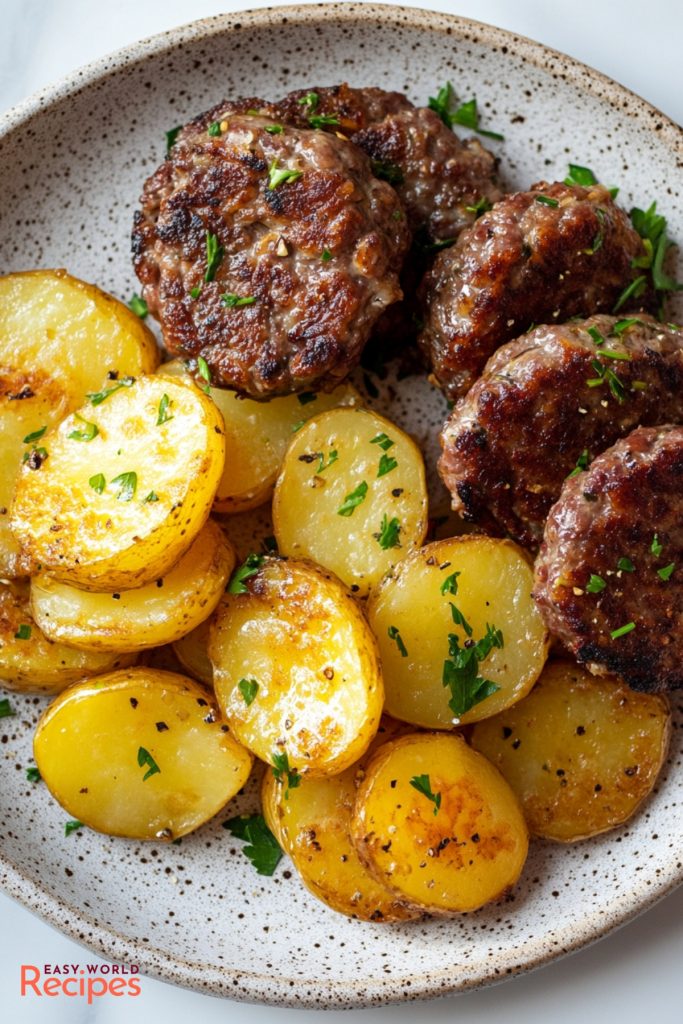
Have you ever wanted to try something that feels familiar, like a burger, but with a completely different personality? That’s exactly what happened to me when I first tasted German Frikadellen. They look a bit like hamburgers, but the flavor is deeper, juicier, and somehow more comforting.
The first time I made Frikadellen, I wasn’t sure what to expect. I mixed ground meat with onions, bread, and spices, shaped them into patties, and cooked them in a pan. The smell alone—rich, savory, and slightly herby—filled my kitchen in the best way possible. When I took my first bite, I immediately understood why this dish is so loved in Germany.
Today, I’m sharing this recipe with you as if we’re cooking side by side. It’s simple, hearty, and perfect for any day when you want something satisfying and homemade.
Recipe Origin & Story
Frikadellen are a traditional German dish, often compared to hamburgers, but they actually have their own unique identity. They’ve been part of German home cooking for generations and are known by different names depending on the region, such as “Buletten” or “Fleischpflanzerl.”
Unlike classic American burgers, Frikadellen are usually made with a mix of ground meat, soaked bread, onions, and spices. They are often served without a bun, alongside potatoes, mustard, or bread.
What I love most about this dish is how it feels like true comfort food—simple ingredients, full flavor, and a recipe that brings people together around the table.
Ingredient Spotlight
- Main Star: Ground meat (usually a mix of beef and pork) is the heart of Frikadellen. This combination gives the patties a perfect balance of flavor and juiciness.
- Secret Boost: Soaked bread or a bread roll is the magic ingredient. It keeps the patties soft and moist inside instead of dense and dry.
-
Quality Tips:
Use fresh ground meat with a bit of fat for better flavor. Choose a soft bread roll rather than dry crumbs, and always use fresh onions for that authentic taste.
Nutritional Benefits
Frikadellen are not just delicious—they can also be quite nourishing when made with good ingredients.
The ground meat provides protein, which helps build and repair muscles and keeps you feeling full longer.
Onions add antioxidants and natural flavor, reducing the need for too much salt.
When paired with fresh sides like salad or vegetables, this dish becomes a balanced and satisfying meal.
Adaptable Variations
-
Dietary Swaps:
You can use ground turkey or chicken for a lighter version. For a gluten-free option, replace the bread roll with gluten-free bread or oats. -
Flavor Twists:
Add fresh herbs like parsley, chives, or even a touch of garlic for extra flavor. Some people like adding mustard directly into the mixture. -
Seasonal Spins:
In summer, serve Frikadellen with fresh salads and pickles. In winter, pair them with mashed potatoes and warm gravy for a cozy meal.
Cooking Science Explained
A few simple techniques make a big difference when preparing Frikadellen.
First, soaking the bread helps it absorb moisture and distribute it evenly throughout the meat, keeping the patties tender.
Second, mixing gently is important. Overmixing the meat can make the patties tough instead of soft.
Finally, cooking them at medium heat allows the inside to cook through while the outside develops a beautiful golden crust.
Easy, Step-by-Step Recipe
Ingredients
- 500 g (1 lb) ground beef (or beef and pork mix)
- 1 small onion, finely chopped
- 1 bread roll (or 2 slices bread), soaked in water or milk
- 1 egg
- 1 tablespoon mustard
- 1 teaspoon salt
- 1/2 teaspoon black pepper
- 1/2 teaspoon paprika
- 1 tablespoon chopped parsley (optional)
- 2 tablespoons oil or butter for frying
Instructions
- Soak the bread roll in water or milk for a few minutes, then squeeze out excess liquid.
- In a large bowl, combine the ground meat, chopped onion, soaked bread, egg, mustard, salt, pepper, paprika, and parsley.
- Mix everything gently with your hands until just combined.
- Shape the mixture into medium-sized patties.
- Heat oil or butter in a pan over medium heat. Fry the patties for about 4–5 minutes on each side until golden brown and fully cooked.
- Let them rest for a couple of minutes before serving.
Practical & Valuable Tips
- Storage: Store cooked Frikadellen in the refrigerator for up to 3 days in an airtight container.
- Serving Ideas: Serve with mustard, potato salad, fresh bread, or pickles for a classic German meal.
- Substitutions: If you don’t have mustard, a small amount of Worcestershire sauce can add depth.
Make-Ahead & Batch-Cooking
Frikadellen are perfect for meal prep. You can prepare the mixture ahead of time and keep it in the fridge for up to 24 hours before cooking.
They also freeze very well. Simply cook them, let them cool, and freeze in portions. Reheat gently in a pan or oven when needed.
Eco-Friendly Kitchen Hacks
- Use leftover bread instead of throwing it away—it’s perfect for this recipe.
- Cook multiple patties at once to save energy.
- Store leftovers properly to reduce food waste.
Pairing Suggestions
- Beverages: Sparkling water, apple juice, or a light beer pairs nicely with Frikadellen.
- Sides & Sauces: Potato salad, mashed potatoes, sauerkraut, or fresh bread with mustard are classic choices.
Frequently Asked Questions
-
Are Frikadellen the same as hamburgers?
Not exactly. They are similar, but Frikadellen include bread and spices, making them softer and more flavorful. -
Can I bake them instead of frying?
Yes! Bake at 180°C (350°F) for about 20–25 minutes, flipping halfway through. -
Why are my patties dry?
They may be overcooked or missing enough moisture. Make sure to include soaked bread and don’t overcook. -
Can I eat them cold?
Yes! Frikadellen are often enjoyed cold as a snack or in sandwiches.
Call to Action
Now it’s your turn to bring a taste of Germany into your kitchen. Try these authentic Frikadellen and enjoy a dish that’s simple, comforting, and full of flavor.
If you make them, let me know how they turned out! Did you add your own twist or keep it traditional? I’d love to hear your experience.
Bonus: Your Kitchen Notes
This section is all yours. Maybe you added garlic, tried a different type of meat, or served it with a special side. Write down your version and make this recipe your own.
Cooking is all about creativity—and every version tells a story.