
Personalized Introduction
Have you ever had that moment where you want something that feels fancy, restaurant-style, but still takes less than 20 minutes to make at home? That’s exactly how I feel about blackened salmon. It’s one of those recipes that looks impressive on the plate but is secretly super simple once you understand the technique.
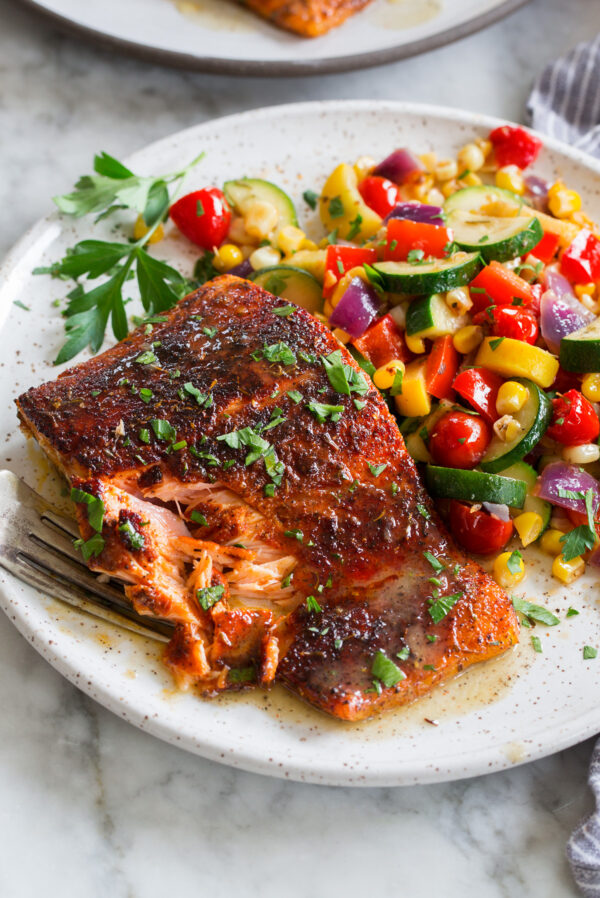
The first time I made blackened salmon, I was honestly just experimenting with spices in my kitchen. I remember heating the pan a little too much, worrying I might burn everything, and then suddenly seeing that perfect dark, crispy crust form on the fish. The smell was smoky, spicy, and a little buttery all at once—it instantly felt like something you’d order at a restaurant.
Since then, this recipe has become my go-to when I want something fast, healthy-ish, and packed with bold flavor. It’s one of those dishes that makes you feel like you actually know what you’re doing in the kitchen—even if you’re just winging it.
Recipe Origin & Story
Blackened cooking is strongly associated with Cajun and Creole cuisine from the southern United States, especially Louisiana. The “blackened” style was made popular by chefs who combined bold spice blends with high-heat cooking in a cast-iron skillet. The result is a dark, flavorful crust that locks in moisture and creates an unforgettable smoky taste.
Traditionally, blackening was used for fish, especially firm varieties that could handle high heat without falling apart. Over time, the technique expanded to chicken, shrimp, and even vegetables. But salmon remains one of the most popular choices today because its natural richness pairs perfectly with bold spices.
For me, this recipe became a personal favorite when I started trying to eat more home-cooked meals that didn’t feel boring. Grilled chicken and plain rice were fine… but blackened salmon brought excitement back to my plate. It feels like something special without requiring special effort.
Ingredient Spotlight
- Main Star: Salmon — rich, buttery, and naturally flavorful. Its high fat content makes it perfect for high-heat cooking because it stays moist inside while forming a crisp crust outside.
- Secret Boost: The blackening spice blend (paprika, cayenne, garlic powder, onion powder, thyme, and black pepper). This combination creates deep smoky heat and that signature dark crust.
- Quality Tips: Choose fresh salmon fillets with firm texture and a bright pink-orange color. If possible, go for skin-on salmon—it helps protect the fish and adds extra crispiness when seared properly.
Nutritional Benefits
Blackened salmon is not just delicious—it’s also packed with nutrients that make it a great choice for a balanced meal.
First, salmon is rich in omega-3 fatty acids, which support heart health and brain function. These healthy fats also help reduce inflammation in the body.
Second, it’s a high-quality source of protein, helping you stay full and energized throughout the day.
Finally, the spices used in blackening—like paprika, garlic, and cayenne—contain antioxidants and compounds that may support metabolism and immune health.
Adaptable Variations
- Dietary Swaps: You can replace salmon with trout, tilapia, or even tofu for a vegetarian version. Just adjust cooking time based on thickness.
- Flavor Twists: Add brown sugar for a sweet-spicy crust, or lemon zest for brightness. A touch of smoked paprika can deepen the smoky flavor even more.
- Seasonal Spins: In summer, serve it with fresh mango salsa. In winter, pair it with roasted vegetables and creamy mashed potatoes. In spring, a light herb salad works beautifully.
Cooking Science Explained
Blackened salmon works because of a few simple but powerful cooking reactions.
First, the spice coating forms a dry layer on the surface of the fish. When it hits high heat, that layer quickly caramelizes and turns dark—this is what creates the “blackened” crust.
Second, using a hot skillet ensures a quick sear. This locks in moisture inside the salmon so it stays tender and juicy instead of drying out.
Third, the combination of butter and oil helps prevent burning while still allowing high enough heat to create that signature crust. Butter adds flavor, while oil raises the smoke point.
Easy, Step-by-Step Recipe
Ingredients
- 2 salmon fillets (skin-on preferred)
- 1 tablespoon paprika
- 1 teaspoon cayenne pepper (adjust for spice level)
- 1 teaspoon garlic powder
- 1 teaspoon onion powder
- 1 teaspoon dried thyme
- 1 teaspoon black pepper
- 1 teaspoon salt
- 1 tablespoon brown sugar (optional for balance)
- 2 tablespoons olive oil
- 1 tablespoon butter
- 1 lemon (for serving)
- Fresh parsley for garnish
Instructions
- Pat salmon fillets dry with paper towels. This step is important because moisture prevents a good crust from forming.
- In a small bowl, mix paprika, cayenne, garlic powder, onion powder, thyme, black pepper, salt, and optional brown sugar.
- Coat salmon evenly with the spice mixture, pressing gently so the seasoning sticks well.
- Heat olive oil and butter in a cast-iron skillet over medium-high heat until hot but not smoking.
- Place salmon skin-side down (if using skin-on) and cook for 3–4 minutes without moving it. Flip carefully and cook another 2–4 minutes until cooked through.
- Remove from pan, squeeze fresh lemon juice on top, and garnish with parsley before serving.
Practical & Valuable Tips
- Storage: Store leftover salmon in an airtight container in the fridge for up to 2 days. Reheat gently to avoid drying it out.
- Serving Ideas: Serve with rice, roasted vegetables, mashed potatoes, or a fresh green salad.
- Substitutions: You can swap spices depending on preference—add chili flakes for extra heat or smoked paprika for deeper flavor.
Make-Ahead & Batch-Cooking
You can prepare the spice mix ahead of time and store it in a jar for quick cooking later. This makes weeknight dinners much faster.
Salmon itself is best cooked fresh, but you can season it up to a few hours in advance and keep it refrigerated until ready to cook.
Eco-Friendly Kitchen Hacks
- Use leftover lemon peels to infuse water or vinegar for cleaning.
- Cook multiple portions at once to reduce energy usage.
- Reuse spice jars and store homemade seasoning blends instead of buying pre-packaged mixes.
Pairing Suggestions
- Beverages: Sparkling water with lemon, iced herbal tea, or a light white wine pairs beautifully with the smoky spice.
- Sides & Sauces: Garlic butter rice, roasted asparagus, mashed sweet potatoes, or creamy yogurt dill sauce work perfectly.
Frequently Asked Questions
-
Why is my salmon not crispy?
Make sure the pan is hot enough and the salmon is completely dry before cooking. -
Can I bake blackened salmon instead?
Yes, bake at 200°C (400°F) for about 10–12 minutes, then broil for a crust. -
Is blackened salmon very spicy?
It depends on how much cayenne you use—you can easily adjust it to your taste. -
Do I need a cast-iron pan?
It’s recommended, but any heavy skillet that holds heat well will work.
Call to Action
Now it’s your turn to try this easy blackened salmon recipe at home. It’s quick, bold, and one of those meals that makes you feel like a pro in the kitchen without much effort.
If you make it, I’d love to hear your version. Did you make it extra spicy, or keep it mild and buttery? Share your twist and let’s keep building simple but powerful home-cooked meals together.
Bonus: Your Kitchen Notes
This is your space to personalize the recipe. Maybe you prefer more lemon, less heat, or a thicker spice crust. Write it down so next time your blackened salmon is exactly how you love it.
Because the best recipes aren’t just followed—they evolve with you.