
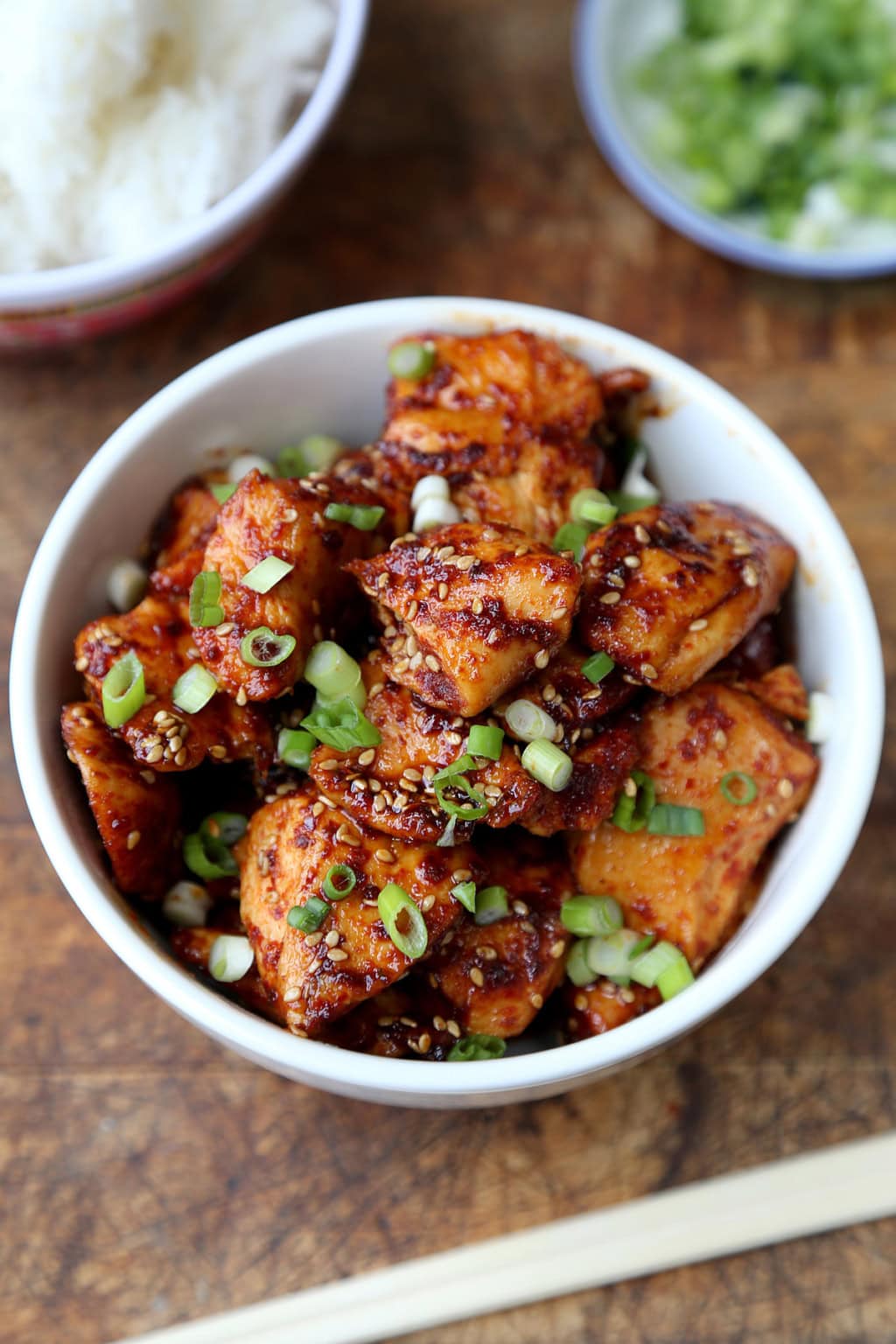
Personalized Introduction
Have you ever wanted to cook something that feels exciting, bold, and a little different from your usual dinners—but still easy enough to make on a busy day? That’s exactly how I felt when I first tried making Korean-style chicken breasts at home.
I remember the first time I tasted Korean flavors—the balance of sweet, spicy, and savory was just unforgettable. So I thought, why not recreate that magic in my own kitchen using simple ingredients? That’s how this Korean chicken breasts recipe was born.
Now, every time I make it, the smell alone gets everyone asking, “What are you cooking?” And honestly, I love that moment. Today, I’m sharing this recipe with you like we’re cooking side by side.
Recipe Origin & Story
Korean cuisine is known for its bold flavors, especially dishes that combine garlic, soy sauce, sesame, and chili. While traditional Korean recipes often use cuts like thighs or wings, chicken breast is a modern twist that keeps things lighter and quicker to cook.
This recipe is inspired by Korean BBQ-style marinades—rich, slightly sweet, and deeply savory. I adapted it over time to make it easier for home cooking, using ingredients that are easy to find almost anywhere.
For me, this dish became a favorite when I wanted something quick but still impressive. It’s one of those meals that looks and tastes like you spent hours on it—even though you didn’t.
Ingredient Spotlight
- Main Star: Chicken breasts are lean, versatile, and absorb marinades beautifully. When cooked properly, they stay juicy and tender.
- Secret Boost: Gochujang (Korean chili paste) is the game-changer. It adds depth, a mild heat, and that signature Korean flavor you can’t replace easily.
-
Quality Tips:
Choose fresh chicken with a smooth texture and no strong smell. If you can find authentic gochujang, go for it—it makes a big difference. Also, use fresh garlic and ginger for the best flavor.
Nutritional Benefits
This recipe is not just delicious—it’s also quite balanced.
Chicken breast is high in protein and low in fat, making it perfect for a healthy meal that still keeps you full.
Garlic and ginger both have natural anti-inflammatory properties and can help support your immune system.
The sauce ingredients, when used in moderation, provide flavor without needing too much oil or heavy cream, making this dish lighter than many comfort meals.
Adaptable Variations
-
Dietary Swaps:
For a gluten-free version, use tamari instead of soy sauce. To reduce sugar, replace honey with a natural sweetener like stevia or skip it entirely. -
Flavor Twists:
Add vegetables like bell peppers, broccoli, or snap peas to make it a complete stir-fry. You can also sprinkle crushed peanuts or sesame seeds for extra texture. -
Seasonal Spins:
In summer, serve it with a fresh cucumber salad. In winter, pair it with warm rice and sautéed greens for a cozy meal.
Cooking Science Explained
Cooking chicken breast perfectly can feel tricky, but a few simple tips make a big difference.
First, marinating helps tenderize the chicken and infuse flavor. Even 20–30 minutes can improve taste and texture.
Second, cooking over medium-high heat creates a nice caramelized surface. That golden color isn’t just for looks—it adds flavor.
Finally, letting the chicken rest after cooking helps keep it juicy. Cutting it too early lets all the juices escape.
Easy, Step-by-Step Recipe
Ingredients
- 2 chicken breasts
- 2 tablespoons soy sauce
- 1 tablespoon gochujang (Korean chili paste)
- 1 tablespoon honey
- 1 tablespoon sesame oil
- 2 cloves garlic, minced
- 1 teaspoon fresh ginger, grated
- 1 tablespoon olive oil
- 1/2 teaspoon black pepper
- 1/2 teaspoon paprika
- 1 teaspoon rice vinegar
- 1 teaspoon sesame seeds (for garnish)
- 2 green onions, chopped
Instructions
- In a bowl, mix soy sauce, gochujang, honey, sesame oil, garlic, ginger, and rice vinegar to create the marinade.
- Add the chicken breasts to the marinade. Let them sit for at least 30 minutes (or longer if you have time).
- Heat olive oil in a pan over medium-high heat. Place the chicken in the pan and cook for about 5–6 minutes on each side.
- Pour the remaining marinade into the pan and let it simmer until it thickens slightly and coats the chicken.
- Remove from heat, let the chicken rest for a few minutes, then slice.
- Garnish with sesame seeds and green onions before serving.
Practical & Valuable Tips
- Storage: Store leftovers in an airtight container in the fridge for up to 3 days.
- Serving Ideas: Serve with steamed rice, noodles, or even inside wraps for a quick lunch.
- Substitutions: If you don’t have gochujang, you can mix chili paste with a little sugar and soy sauce as a quick alternative.
Make-Ahead & Batch-Cooking
You can marinate the chicken overnight for deeper flavor. It also works great for meal prep—just cook a batch and store it in portions.
When reheating, use low heat and add a splash of water or sauce to keep the chicken moist.
Eco-Friendly Kitchen Hacks
- Use leftover marinade (fully cooked) as a sauce to avoid waste.
- Reuse vegetable scraps to make broth.
- Cook multiple portions at once to save energy.
Pairing Suggestions
- Beverages: Iced green tea, lemonade, or sparkling water balance the bold flavors.
- Sides & Sauces: Serve with kimchi, rice, or a light salad for a complete Korean-inspired meal.
Frequently Asked Questions
-
Can I grill the chicken instead?
Yes! Grilling adds a smoky flavor that works beautifully with the marinade. -
Is this recipe very spicy?
It has a mild to medium heat. You can adjust by using less gochujang. -
Can I use chicken thighs?
Absolutely! They will be even juicier and more forgiving when cooking. -
How long should I marinate?
At least 30 minutes, but overnight gives the best flavor.
Call to Action
Now it’s your turn to bring these bold Korean flavors into your kitchen. Trust me, once you try this recipe, it will quickly become one of your favorites.
If you make it, let me know how it turned out. Did you make it spicier? Add vegetables? I’d love to hear your twist!
Bonus: Your Kitchen Notes
Use this section to write down your personal version of the recipe. Maybe you added extra garlic, used a different sauce, or served it in a unique way.
Cooking is all about making recipes your own—and this one is perfect for experimenting.