
Personalized Introduction
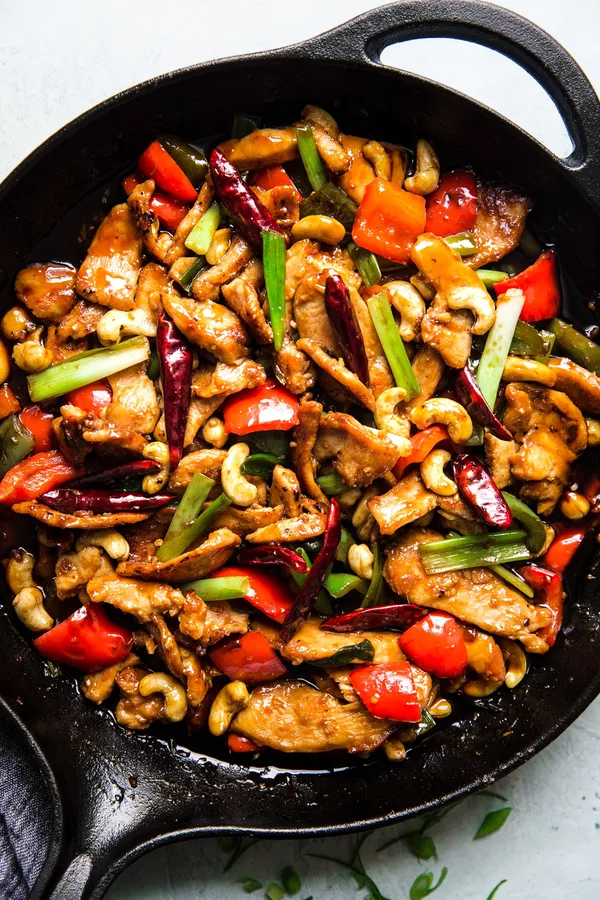
Kung Pao Chicken is one of those iconic dishes that perfectly balances spicy, savory, slightly sweet, and nutty flavors in every bite. It’s made with tender chicken, crunchy peanuts, and a bold, glossy sauce that clings beautifully to everything.
I love this recipe because it delivers that authentic takeout-style experience at home without complicated steps. Once you get the sauce right, it becomes one of those dishes you’ll want to cook again and again.
It’s fast, flavorful, and perfect for when you want something bold and satisfying in under 30 minutes.
Recipe Origin & Story
Kung Pao Chicken (宫保鸡丁) is a classic dish from Sichuan cuisine in China, known for its bold use of chili peppers and Sichuan peppercorns. Traditionally, it combines stir-fried chicken, dried chilies, peanuts, and a tangy, savory sauce.
Over time, it became a popular takeout dish worldwide, often adjusted to be slightly sweeter and less spicy for broader tastes.
This version keeps the balance of sweet, salty, tangy, and spicy while staying simple enough for a home kitchen.
Ingredient Spotlight
-
Main Star:
:contentReference[oaicite:0]{index=0}
— tender, juicy pieces that absorb the bold sauce. -
Crunch element:
:contentReference[oaicite:1]{index=1}
— adds texture and richness. - Heat source: Dried chilies or chili flakes give signature spice
- Flavor base: Soy sauce, garlic, ginger, and a touch of sugar create balance
Nutritional Benefits
Chicken provides high-quality protein that helps keep the dish filling and satisfying.
Peanuts add healthy fats and plant-based protein, contributing to texture and energy.
The stir-fry method uses relatively little oil compared to deep frying, making it a lighter takeout alternative.
Adaptable Variations
- Extra spicy: Add more dried chilies or Sichuan peppercorns
- Mild version: Reduce chilies and add extra soy sauce for balance
- Veggie swap: Replace chicken with tofu or mushrooms
- Low-sugar option: Reduce sugar and add a splash of rice vinegar for brightness
Cooking Science Explained
The stir-fry technique cooks ingredients quickly over high heat, sealing in moisture while developing flavor through caramelization.
The sauce thickens slightly as starch from the chicken marinade and heat reduction combine, helping it coat every piece evenly.
Peanuts stay crunchy when added at the end, preserving contrast in texture against the soft chicken and sauce.
Easy, Step-by-Step Recipe
Ingredients
- 1 lb (450g) chicken breast or thighs, diced
- 2 tablespoons soy sauce
- 1 tablespoon cornstarch
- 1 tablespoon oil (for marinade)
- 2 tablespoons vegetable oil (for cooking)
- 3–5 dried red chilies
- 3 cloves garlic, minced
- 1 teaspoon ginger, minced
- ½ cup roasted peanuts
- Kung Pao Sauce:
- 3 tablespoons soy sauce
- 1 tablespoon rice vinegar
- 1 tablespoon hoisin sauce (optional)
- 1–2 teaspoons sugar
- 2 tablespoons water
- 1 teaspoon cornstarch (for thickening)
Instructions
- Marinate chicken with soy sauce, cornstarch, and oil for 10–15 minutes.
- Mix all sauce ingredients in a bowl and set aside.
- Heat oil in a wok or skillet over high heat.
- Add dried chilies and stir quickly until fragrant.
- Add chicken and stir-fry until golden and cooked through.
- Add garlic and ginger, cooking for 30 seconds.
- Pour in the sauce and stir until it thickens slightly.
- Add peanuts and toss everything together.
- Cook for another minute, then remove from heat.
- Serve hot with rice.
Practical & Valuable Tips
- High heat is key: It gives that authentic stir-fry flavor
- Don’t overcook peanuts: Add them at the end for crunch
- Prep everything first: Stir-frying moves fast once you start cooking
Make-Ahead & Batch Cooking
You can pre-marinate the chicken and mix the sauce ahead of time for a super quick dinner later.
Leftovers store well and can be reheated in a pan with a splash of water.
Eco-Friendly Kitchen Hacks
- Cook in one wok or pan to reduce cleanup
- Reuse leftover sauce in other stir-fries
- Store leftovers in reusable containers
Pairing Suggestions
- Best side: Steamed jasmine rice or fried rice
- Extras: Stir-fried vegetables, spring rolls, or egg drop soup
- Beverages: Iced tea, green tea, or sparkling water
Frequently Asked Questions
- Is Kung Pao Chicken very spicy?
It can be, but you control the heat by adjusting chilies. - Can I use chicken thighs?
Yes, they stay juicier and more flavorful than breast meat. - Can I make it vegetarian?
Yes, tofu or mushrooms work well as substitutes. - Why is my sauce not thickening?
Make sure cornstarch is fully dissolved and heat is high enough.
Call to Action
I hope you try this Kung Pao Chicken soon. It’s bold, spicy, nutty, and full of takeout-style flavor you can easily recreate at home.
If you make it, share your version—did you go extra spicy, add vegetables, or make it sweeter? Every twist brings a new personality to this classic dish.
Bonus: Your Kitchen Notes
Use this section to track your spice level, sauce balance, and crunch preference. Once you get it right, this becomes a go-to stir-fry favorite.
Spicy chilies + savory sauce + crunchy peanuts = the perfect Kung Pao balance.