
Personalized Introduction
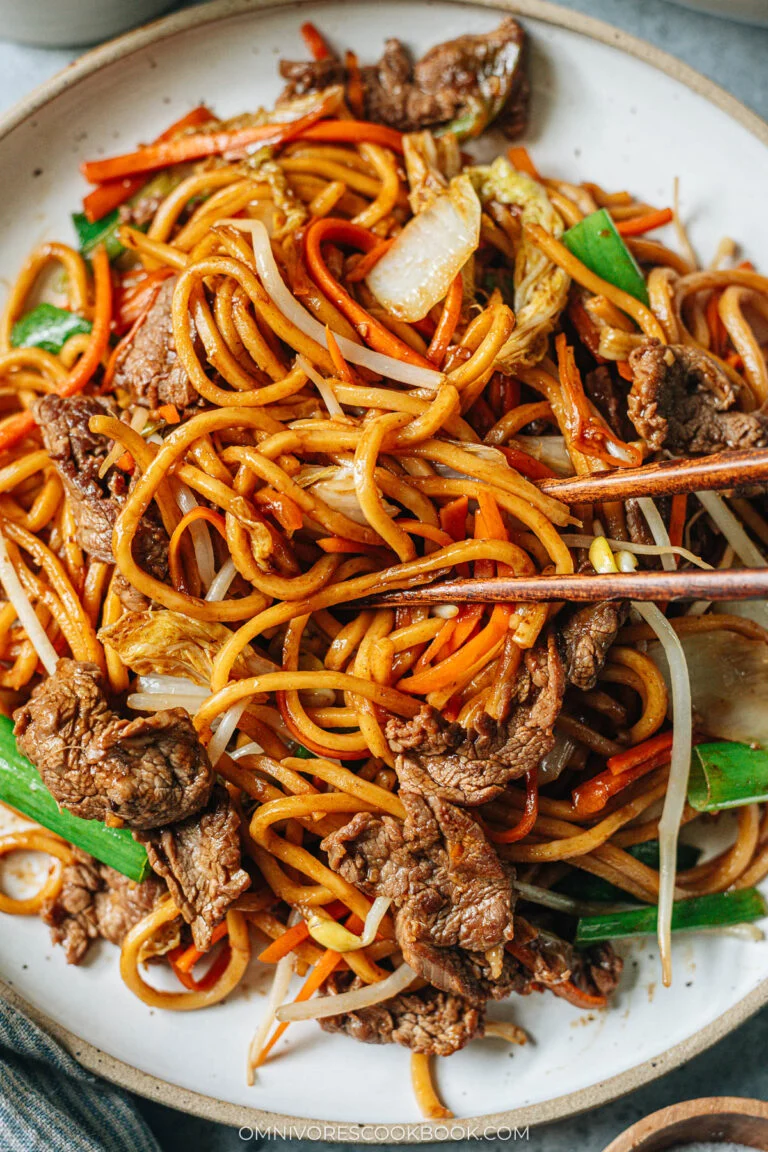
Sometimes the simplest recipes become the ones you make over and over again, and that’s exactly how I feel about these Plain Lo Mein Noodles. They may not be loaded with meat or vegetables, but don’t let the word “plain” fool you. Every bite is coated in a rich, savory sauce with the perfect balance of soy sauce, garlic, sesame oil, and a touch of sweetness. It’s a simple dish that’s incredibly satisfying all on its own and the perfect foundation for countless meals.
I first started making plain lo mein when I wanted a quick side dish to serve with homemade stir-fry chicken. Instead of ordering takeout just for the noodles, I decided to experiment with a few pantry ingredients I already had. I was honestly surprised by how easy it was. In less than 20 minutes, I had silky noodles that tasted just like my favorite Chinese restaurant—maybe even better because I could adjust every ingredient to my own taste.
Now this recipe has become one of my favorite kitchen staples. Sometimes I serve it alongside orange chicken, sesame beef, or sweet and sour shrimp. Other times, I simply enjoy a warm bowl by itself when I want something comforting without spending much time cooking.
One of the best things about plain lo mein noodles is how versatile they are. They can be served as a side dish, a quick lunch, or the base for endless combinations of vegetables, seafood, tofu, or chicken. Once you learn this simple recipe, you’ll never need to order plain noodles from takeout again.
If you’re looking for a fast, affordable, and incredibly delicious noodle recipe that’s packed with flavor despite its simplicity, you’re going to love these homemade Plain Lo Mein Noodles. Let’s get cooking!
Recipe Origin & Story
Lo mein has its roots in Chinese cuisine, where the name literally means “tossed noodles.” Unlike chow mein, which is often stir-fried until slightly crispy, lo mein focuses on soft noodles that are gently tossed with a flavorful sauce after cooking. The noodles absorb the sauce beautifully while maintaining their tender texture.
Over the years, lo mein became one of the most popular dishes served in Chinese-American restaurants. While many versions include chicken, beef, shrimp, pork, or vegetables, plain lo mein remains a favorite because it’s simple, comforting, and pairs well with almost any main course.
Growing up, plain noodles were always one of my favorite things to order whenever my family enjoyed Chinese takeout. I loved how every strand was coated with savory sauce without being overly heavy. Eventually, I realized I could recreate those same flavors at home using ingredients that were already sitting in my pantry.
Today, this recipe is one of my most reliable side dishes because it’s fast, budget-friendly, and always a crowd-pleaser.
Ingredient Spotlight
- Main Star: Fresh lo mein noodles provide the signature chewy texture that makes this dish so satisfying. If fresh noodles aren’t available, dried lo mein, spaghetti, or linguine work surprisingly well.
- Secret Boost: Toasted sesame oil adds an unmistakable nutty aroma, while fresh garlic and a tiny pinch of sugar balance the salty soy sauce perfectly.
- Quality Tips: Choose naturally brewed soy sauce for deeper flavor, fresh garlic instead of garlic powder, and pure toasted sesame oil rather than blended varieties for the best results.
Nutritional Benefits
Lo mein noodles provide carbohydrates that supply energy, making them an excellent base for balanced meals when paired with vegetables and lean protein.
Garlic contains naturally occurring antioxidants and contributes bold flavor, allowing you to create an incredibly satisfying dish with only a few ingredients.
Sesame oil contains heart-healthy fats and delivers a rich aroma, meaning only a small amount is needed to create big flavor.
Adaptable Variations
- Dietary Swaps: Use gluten-free noodles with tamari instead of soy sauce, whole wheat noodles for additional fiber, or rice noodles for a lighter variation.
- Flavor Twists: Add sliced mushrooms, bok choy, broccoli, carrots, snap peas, green onions, bean sprouts, or chili crisp for extra texture and flavor.
- Seasonal Spins: Spring welcomes asparagus and peas, summer shines with zucchini, autumn pairs beautifully with mushrooms, while winter works well with cabbage and broccoli.
Cooking Science Explained
Cooking the noodles until just al dente helps them stay pleasantly chewy after they’re tossed with the sauce, preventing them from becoming overly soft.
Adding sesame oil near the end of cooking preserves its rich aroma because high heat can reduce its delicate flavor.
Tossing the noodles while they’re still hot helps them absorb the sauce more evenly, creating better flavor in every bite.
Easy, Step-by-Step Recipe
Ingredients
- 12 ounces lo mein noodles (or spaghetti)
- 2 tablespoons vegetable oil
- 3 garlic cloves, minced
- 3 tablespoons low-sodium soy sauce
- 1 tablespoon oyster sauce (optional but recommended)
- 1 tablespoon dark soy sauce (optional for color)
- 1 teaspoon toasted sesame oil
- 1 teaspoon granulated sugar
- ¼ teaspoon white pepper (or black pepper)
- 2 tablespoons water or reserved noodle cooking water
- 2 green onions, sliced (optional for garnish)
- Sesame seeds for garnish (optional)
Instructions
- Bring a large pot of salted water to a boil.
- Cook the lo mein noodles according to the package directions until just tender.
- Reserve ¼ cup of the cooking water before draining the noodles.
- Drain the noodles and lightly toss them with a small drizzle of oil to prevent sticking.
- Heat the vegetable oil in a large skillet or wok over medium heat.
- Add the minced garlic and cook for about 30 seconds until fragrant.
- Stir in the soy sauce, oyster sauce, dark soy sauce, sugar, sesame oil, white pepper, and water.
- Allow the sauce to simmer for about one minute.
- Add the cooked noodles to the skillet.
- Using tongs, gently toss the noodles until every strand is evenly coated with the sauce.
- If needed, add a splash of reserved noodle water to loosen the sauce.
- Continue tossing for another minute until everything is hot and glossy.
- Garnish with sliced green onions and sesame seeds before serving.
Practical & Valuable Tips
- Storage: Store leftovers in an airtight container in the refrigerator for up to 4 days. Reheat gently in a skillet with a splash of water to restore the texture.
- Serving Ideas: Pair with orange chicken, sesame chicken, beef and broccoli, General Tso’s chicken, grilled shrimp, tofu, or stir-fried vegetables.
- Substitutions: Linguine, spaghetti, ramen noodles (without seasoning packets), or yakisoba noodles all work well if traditional lo mein noodles aren’t available.
Make-Ahead & Batch-Cooking
These noodles are excellent for meal prep because they reheat beautifully. Cook the noodles slightly al dente, cool them quickly, and store them in airtight containers. The sauce can also be mixed several days ahead and kept in the refrigerator until you’re ready to cook.
If you’re preparing lunches for the week, divide the noodles into individual containers and add your favorite cooked vegetables or protein. The flavors continue developing overnight, making leftovers surprisingly delicious.
When reheating, simply add a tablespoon of water to the skillet or microwave-safe dish to help loosen the sauce and restore the silky texture.
Eco-Friendly Kitchen Hacks
- Use leftover vegetables from your refrigerator to create a complete stir-fry.
- Save extra green onions by freezing chopped portions for future recipes.
- Store leftovers in reusable glass meal-prep containers.
- Cook extra noodles to use later in soups or quick stir-fries, reducing food waste.
Pairing Suggestions
- Beverages: Jasmine tea, green tea, sparkling water with lime, iced tea, lemonade, or light Asian lagers pair wonderfully with the savory noodles.
- Sides & Sauces: Egg rolls, spring rolls, steamed dumplings, crab rangoon, cucumber salad, broccoli stir-fry, sweet chili sauce, or chili garlic sauce create a complete takeout-style meal.
Frequently Asked Questions
-
Can I use spaghetti instead of lo mein noodles?
Yes! Spaghetti is one of the best substitutes and creates a very similar texture when cooked just until al dente. -
Why are my noodles sticking together?
Toss them with a little oil immediately after draining and avoid overcooking them. -
Can I make this recipe vegetarian?
Absolutely! Simply omit the oyster sauce or replace it with vegetarian mushroom oyster sauce. -
Can I add vegetables or protein?
Definitely! This recipe is the perfect base for chicken, shrimp, beef, tofu, mushrooms, broccoli, carrots, cabbage, snap peas, or bell peppers.
Call to Action
If you’ve been searching for an easy homemade noodle recipe that’s every bit as satisfying as restaurant takeout, these Plain Lo Mein Noodles are the perfect place to start. They’re quick enough for busy weeknights, versatile enough for endless meal combinations, and delicious enough to become a regular part of your dinner rotation.
I hope you enjoy making this recipe as much as I do! If you try it, I’d love to hear how you customized your noodles. Did you add vegetables, chicken, shrimp, tofu, or a little extra garlic? Leave a comment below, save this recipe for your next quick dinner, and don’t forget to share your homemade lo mein on social media. Happy cooking!
Bonus: Your Kitchen Notes
Every cook eventually develops their own favorite version of lo mein, and this recipe is the perfect starting point. Use this space to record your preferred noodle brands, favorite vegetables, seasoning adjustments, or protein combinations. Maybe your family loved extra sesame oil, spicy chili crisp, mushrooms, or grilled chicken.
Keeping these notes will help you transform this simple noodle recipe into your own signature takeout-style favorite. Before long, these Plain Lo Mein Noodles will become one of those dependable recipes you can make almost from memory whenever you’re craving something warm, savory, and incredibly satisfying. Happy cooking, and enjoy every flavorful bite!